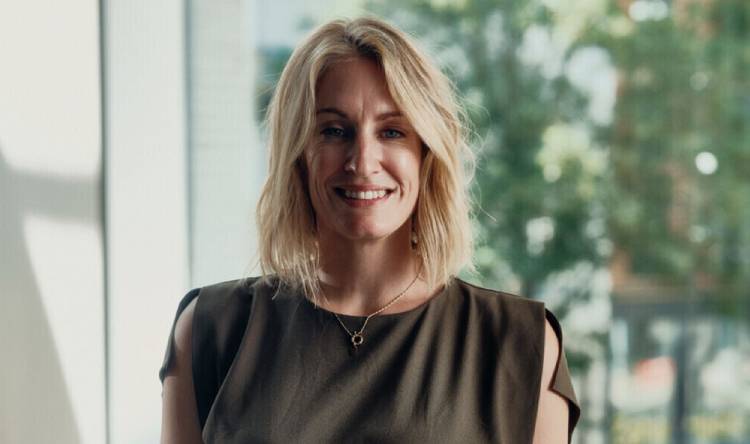
Dr. Hannah Allen, Heidi’s GP and Medical Director. Image credit: Heidi.
NHS England in the Midlands has purchased ambient voice technology (AVT) for 1,239 GP surgeries and around 70,000 doctors across 15 NHS community and acute trusts.
AVT, sometimes known as ambient writing, can be combined with generative AI to convert speech into structured medical documentation, such as notes and letters, which can be uploaded to patient records or sent to other NHS providers.
Ravinder Sahota, group chief information officer at Dudley Group NHS Foundation Trust and Sandwell and West Birmingham Trust, said: “Dudley had seen first-hand what was possible.
“Our doctors were spending less time on documentation and more time with patients, and that told us we needed to find a way for the entire region to benefit.
“We built the clinical safety case, business case and evidence base so other trusts didn’t have to start from scratch. This framework shows what we can achieve when the NHS works collaboratively to put safe and effective AI in the hands of clinicians at scale.”
The technology records consultations and allows doctors to focus on patients rather than their computer screen. It aims to reduce administrative workload and may allow more patients to be seen.
Capture conversations and generate draft summaries, which are then reviewed and validated before being added to the patient record. There are plans to expand AVT deployment in the Midlands.
A Study sponsored by NHS England showed a 23.5% increase in direct patient interaction time during appointments, along with an 8.2% reduction in total appointment duration when AI scribes were used.
The competitive acquisition process, led by Dudley Group and Sandwell and West Birmingham hospitals, named heidi as preferred supplier.
Heidi is one of 23 providers included in NHS England Self-Certified AVT Registrywhich was launched in January.
Dr Hannah Allen, Heidi’s GP and medical director, said: “NHS Midlands has set out a route that any trust or ICB in the region can now use, based on extensive procurement and real-world evidence of frontline services. We are committed to delivering results for every organization that decides to use it.”
The technology was trialled at a same day emergency care (SDEC) unit and a rheumatology clinic in Dudley. This resulted in an 80% reduction in documentation time at the SDEC, equivalent to the capacity of a junior doctor, and reduced the rheumatology letter backlog from six months to 14 days.