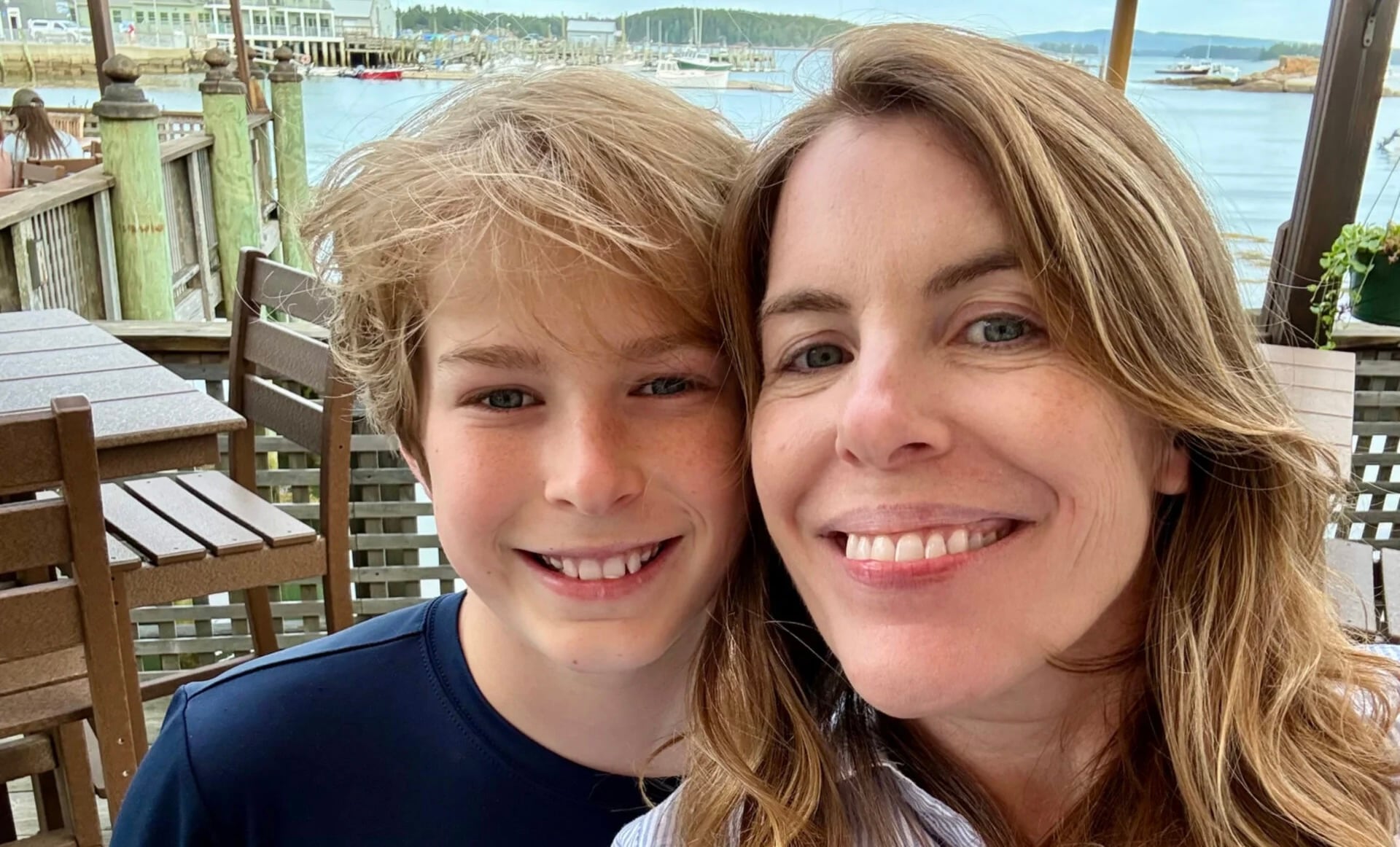
A 2024 survey of 2,000 people in relationships found that 73% consider travel to be the ultimate test of a relationship. The number is high for a reason. A rideshare compresses months of ordinary friction into a few days. Flight delays, tight budgets, and unfamiliar streets force you to make decisions that quiet dinners never ask. By the end of a first trip, most people have seen a side of their partner that no text message would have shown. The mistake is treating a weekend as a final verdict.
The Compatibility Stress Test
Routine hides a lot. At home, two people coordinate on separate jobs and apartments and avoid petty negotiations that reveal temperament. Traveling removes that buffer. For several days, a couple shares every meal and every shared cost, plus every decision about where to go next.
Couples seem to know where the friction starts. Budget is the factor they most want to align before a trip, mentioned by 45% of respondents in the 2024 survey, followed by hygiene habits with 36% and food preferences with 33%. Planning style matters, too: 63% say they want a partner who prepares like they do. These are the precise points where two daily routines collide once they have to merge.
Friction itself is the test. A missed train, an overbooked room, or a long rain delay show how a partner handles a loss of control. Psychologists have long pointed to these moments as the most reliable preview of behavior under stress. A partner who remains poised when a plan fails tends to remain poised later, and one who becomes brusque over a small setback often does the same at home.
Part of the tension is the volume. A typical day at home involves a handful of joint decisions, while a day on the road can involve dozens, from the morning route to dinner reservations to the cost of a taxi. Each one is small. The difficulty comes from doing so many things in a row with someone whose instincts may not match.
Sleep is an easy variable to overlook. A night owl and an early riser can share a city for months and never notice the gap, until they share a hotel room and a 7 a.m. tour. A mismatch like that rarely breaks a relationship at home, but it shapes every morning of a trip.
Early indicators of attachment
A shared ride often reveals the first signs of love long before the couple gives them a name. A colleague who calmly handles a late train, splits the last bottle of water, or remembers a food preference shows more than weeks of arranged dinners can show.
Attraction tends to appear early, while compatibility needs pressure before it emerges, and travel supplies that pressure in a concentrated way. What a person notices about their partner on their first trip tends to stick once the ordinary routine resumes.
Situational stress versus genuine incompatibility
A bad trip doesn’t always mean a bad game. This is where the popular framing goes too far. One widely cited survey found that about 50% of couples break up after their first trip together. A separate survey from travel platform KAYAK puts the figure much lower: 20% of American adults end a relationship during or after a trip. The two surveys measured different things, which is part of why the numbers diverge, although they both point in the same direction. A real percentage of couples reach a verdict along the way. The distance between the figures is a warning against treating a single study as resolved.
Jet lag and monetary stress can produce conflicts that have nothing to do with long-term adaptation. The origin of a reaction matters more than the reaction itself. A partner who apologizes after a tense afternoon and adjusts the next day is making an attempt at repair, while one who blames everyone else for a delay is showing a pattern. The trip provides the data, although reading still requires judgment. The same argument over a lost reservation can leave two couples with opposite conclusions, because the recovery mattered more than the argument.
There is a second trap in the other direction. A calm and sunny first trip can seem like a test of compatibility when it only shows that nothing went wrong. The easy conditions hide as much as the difficult ones. One couple who’s never faced a canceled flight or a tight budget discovered that they travel well together in good weather, which is less of a complaint than it seems at the time. A first trip is most useful when something goes wrong.
Reactions worth watching
Specific behaviors matter more than mood. The Waiter Rule holds that the way a person treats staff who can’t do anything for them shows their true character, and a trip shows it for days. A colleague who is short with a confused receptionist or impatient with a slow driver is showing the version he normally keeps hidden. Strangers stay with the unprotected one, and eventually, so does their partner. A first trip advances that timeline. The pattern that appears with a stranger is the pattern that a couple inherits a year later.
Money habits appear quickly. A rideshare reveals who picks up the bill and who keeps a private record of every expense. Neither is bad on its own, but a mismatch in spending habits predicts arguments that will last longer than the holidays. Energy works the same way. One person wants a busy schedule and the other wants a quiet morning, and the difference that seemed charming at home becomes a daily negotiation on the road. None of these gaps are fatal, but each is easier to see from a distance at home.
Teamwork is how smooth a trip measures. Carrying bags and dividing tasks at a busy station forces a couple to act as an unrehearsed unit. Couples who fall into that rhythm rarely notice, while those who struggle end up taking the score to the second day.
Design an insightful first trip
Timing and design change what a journey reveals. The 2024 survey placed the ideal time for a first trip at about 4.5 months into a relationship, early enough to learn something real and late enough to have a foundation worth risking. A weekend close to home is less testing than a week in an unknown place, since the novelty is what provokes real reactions in people who are still on their best behavior. A guided tour where you book every hour is less revealing than a vaguely planned trip that forces decisions to be made in real time.
Shared decisions matter more than convenience. Research on couples found that self-expansion activities during the holidays, the kind that force a person to go beyond their usual routine, predicted better relationship health afterwards. The same 2024 survey reported that 61% of couples felt that a trip rekindled their romance. Another 40% felt closer to their partner and 25% saw a more romantic side to the person they were with. A trip built solely around a resort and room service hides precisely things worth trying, because nothing there asks two people to solve a problem together. A trip with a few spontaneous hours and a modest budget will teach more than an expensive one in which all needs are met before they are felt.
The limits of the travel test
A first trip is a strong source of information and a weak source of verdicts. It shows how a partner handles money and recovers from a bad day. No weekend in a hotel simulates the years of ordinary life that follow, including illnesses and the work of raising children. Couples who separate after a trip often find that this exposed a problem that already existed. In most cases, the trip simply eliminated the conditions that had kept an existing problem out of sight. This is useful as a diagnosis, even if it comes after the fact.
Fair use of travel is one test among several. Set aside something modest and share the planning. Then watch how small failures are handled. A partner who remains generous and balanced when the schedule falls apart is worth more than a flawless itinerary, and the same partner who turns cold at the first delay is information worth keeping.