To lose weight, eat fewer calories than your body uses
Losing weight doesn’t necessarily mean you have to eat less. You can create low-calorie versions of some of your favorite dishes by substituting low-calorie fruits and vegetables in place of higher-calorie ingredients.
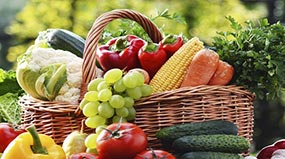
Most fruits and vegetables are naturally low in fat and calories. The water and fiber in fruits and vegetables will add bulk to your plates so you can eat the same amount of food with fewer calories. This means you can feel full while eating fewer calories.
Eat more fruits and vegetables throughout the day.
Breakfast: start the day well
Substitute an egg or half the cheese for spinach, onions, or mushrooms in your morning omelet. Vegetables will add volume and flavor to the dish with fewer calories than eggs or cheese.
Reduce the amount of cereal in your bowl to make room for bananas, peaches, or strawberries. You can still eat a full plate of food but with fewer calories.
Light up your lunch
Replace some of the cheese and meat in your sandwich, wrap, or burrito with vegetables such as lettuce, tomatoes, or cucumbers. Or replace 2 ounces of meat or 1 cup of noodles in soup with 1 cup of chopped vegetables, such as broccoli, carrots, beans, or red peppers. The new version will fill you up with fewer calories than the original.
Dinner
Replace 1 cup of rice or pasta in your favorite dish with 1 cup of vegetables such as broccoli, squash, or peppers. The dish with vegetables will be just as satisfying but will have fewer calories than the same amount of the original version.
Take a good look at your plate. Vegetables, fruits, and whole grains should take up the majority of your plate. If not, replace some of the meat, cheese, white pasta or rice with legumes, steamed broccoli, asparagus, greens or another favorite vegetable. This will reduce the total calories in your meal without reducing the amount of food you eat.
Remember to use a regular or small sized plate, not a platter. The total number of calories you eat counts, even if a good proportion of them come from fruits and vegetables.
Smart snacks
Instead of high-calorie snacks like corn chips, bring healthy snacks with you when you’re traveling. If you’re looking for snacks with 100 calories or less, consider:
- One medium apple (72 calories)
- One medium banana (105 calories)
- One cup of steamed green beans (44 calories)
- One cup of blueberries (83 calories)
- One cup of grapes (100 calories)
- Two tablespoons of hummus (46 calories) with:
- 1 cup carrots (45 calories)
- 1 cup broccoli (30 calories) or
- 1 cup bell peppers (30 calories)
More tips
Eat raw fruits and vegetables. or with fat-free or low-fat cooking techniques. Try steaming your vegetables, using low-calorie or low-fat dressings, and using herbs and spices to add flavor. Some cooking techniques, such as breading and frying, or using high-fat dressings or sauces, will greatly increase the calories and fat of the dish. Plus, eating raw fruit allows you to enjoy its natural sweetness.
Canned or frozen Fruits and vegetables are also good options. Frozen or canned fruits and vegetables can be just as nutritious as fresh varieties. However, be careful to choose those without added sugar, syrup, creamy sauces or other calorie-containing ingredients.
Choose whole fruits about fruit drinks and juices. Fruit juices have lost fiber from the fruit. It is best to eat whole fruit because it contains additional fiber that helps you feel full.
whole fruit It gives you a bigger snack than nuts. For example, a small box of raisins (1/4 cup) has approximately 100 calories. For the same amount of calories, you can eat 1 cup of grapes and feel fuller.
Substitution is key
While fruits and vegetables have fewer calories than many other foods, they do contain some calories. If you start eating fruits and vegetables in addition to what you usually eat, you are adding calories and may gain weight. The key is substitution. Eat fruits and vegetables instead of other high-calorie foods.