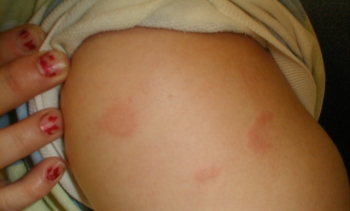
Acute urticaria
The word “acute” refers to a short period of time. Acute hives can last less than a day or up to six weeks. Acute hives can be a reaction caused by contact with an allergen such as food, animal dander, insect bites, latex, or pollen. Identifying and avoiding the trigger can help prevent this allergic reaction from happening again.
Medications can potentially trigger hives. Drug reactions can occur at any time during the life cycle of taking the medication. Hives can also occur from non-allergic causes. These include heat, stress, exercise, or exposure to certain chemicals. One of the most common causes of acute hives in children is a viral infection.
Chronic hives
Unlike acute hives, chronic hives last longer. Most people with chronic hives have symptoms that last more than a year. Most chronic hives are idiopathic, meaning that the exact cause cannot be identified, although many are associated with autoantibodies against immunoglobulin E or IgE, and some may be related to the autoimmune system. Only a small percentage of chronic hives are due to an allergy. Routine tests, such as general blood counts or screening tests, are not cost-effective and also do not make a difference in treatment strategies to alleviate symptoms at present. In the future, blood tests may be useful to determine how well a person’s hives are likely to respond to certain medications.
Symptom relievers
Whether acute or chronic, hives are usually very itchy. This is because the swelling occurs in the layer of skin that has many nerve endings. While most cases of hives get better on their own, here are some tips to reduce itching and swelling:
• Avoid hot baths or showers
• Wear loose clothing
• Take antihistamines
Severe flare-ups may require taking corticosteroids to reduce inflammation. Chronic hives usually require more advanced long-term treatments.
In rare cases, hives can be a symptom of a life-threatening condition called anaphylaxis. Call 911 if you experience hives along with any of these symptoms:
• Fainting
• Difficulty breathing
• Tightness in the throat
• Swelling of the tongue or face
• Wheezing
Did you know?
• Angioedema is a reaction that affects deep layers of tissue beneath the skin.
• Hives are not contagious, but they can move from one place on the body to another.
• Both children and adults can suffer from hives.
To the point
Hives that last from a few minutes to six weeks are acute urticaria. Chronic hives last longer and often last or recur for more than a year.
AAAAI’s Find an Allergist/Immunologist service is a trusted resource to help you find a specialist near your home.
09/10/2025
Share this page: