The fragile ceasefire across the Middle East falters by the day, as two people are killed in Lebanon and it emerges that Iran has arrested thousands in a brutal crackdown during the war with the United States.
Iranian security forces have detained more than 3,000 citizens since the war with the United States began, accusing them of collaborating with the “enemy.”
As many as 3,296 have been arrested despite US President Donald Trump’s promise to rebels that “help is on the way” when war broke out in February.
At least 684 people are accused of being spies and carrying out “operational actions” for Israel, according to what the Tehran judiciary admitted to local media. Iranian authorities have seized the properties of around 100 of the accused in Isfahan province in a broad crackdown.
A security analyst told the Mirror: “The measures implemented have resulted in thousands of arrests, extensive asset seizures and an increase in prosecutions on national security grounds. There has also been a notable increase in the use of capital charges against people accused of collaborating with foreign adversaries.
“The repression has been directed against political dissidents, ethnic minorities, activists, journalists and individuals suspected of opposing the state.” A fragile ceasefire in Lebanon, crucial to a peace deal with Iran, was threatened after Israeli troops opened fire in the south on Tuesday, killing two people and wounding two. Two men were killed by Israeli soldiers in Nabatieh, southern Lebanon, and local media claimed that troops shot them while they were near an excavator that was working on a road.
The deputy head of Hezbollah’s political council warned: “Hezbollah remains fully alert with its finger on the trigger, ready to confront any violation by the Israeli regime. The militant group has accused Israel of violating the ceasefire even though the Israeli military said it “attacked armed terrorists who posed an immediate threat.” It was the worst outbreak of violence after three days of peace and relative calm in the region and threatens to derail the peace process.
Tension over Iran and its proxy Hezbollah in Lebanon increased further when Iran’s chief negotiator, Mohammad Ghalibaf, declared: “Everyone should know that the administration of the Strait of Hormuz will never go back to the way it was before the war.” He admitted that “international norms will be respected, but Iran will administer the Strait of Hormuz.”
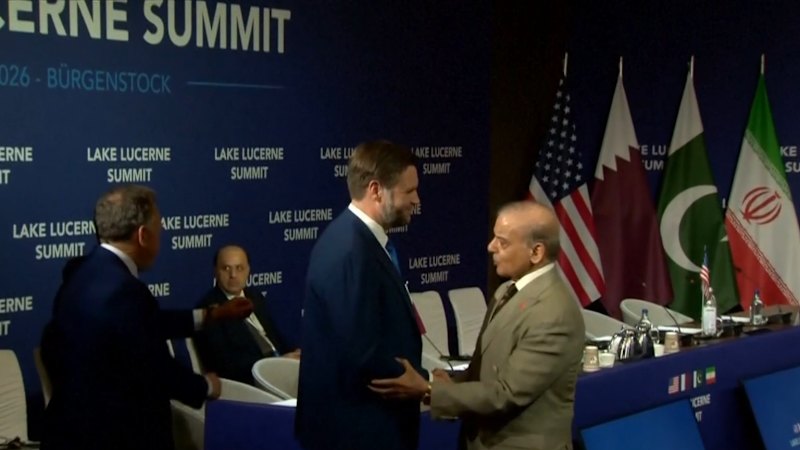
The statement was a direct slap in the face to US President Donald Trump’s demand for an unconditional reopening of the waterway. This follows an interim peace deal between the United States and Iran and shipping traffic had recovered until Tehran said it had closed the Strait on Saturday. It is also unclear whether Tehran plans to charge ships passing through Hormuz. Passage through the Strait between Iran and Oman was free before the war.
But Tehran has established a new government authority to collect money from the ships. Tehran has said it still expects vessels to register with the Persian Gulf Strait Authority before crossing. Ghalibaf says a deal has been reached with the United States to release $12 billion in frozen Iranian funds following talks in Switzerland that kicked off a 60-day memorandum of understanding aimed at creating a framework for permanent peace. And Israeli Finance Minister Bezalel Smotrich said the Israel Defense Forces will not withdraw its troops “as long as Hezbollah exists in Lebanon” and as long as the current government is in power.