A potential jet fuel shortage in Europe shows how global tensions are driving up fuel prices and putting pressure on airlines around the world.
On April 16, 2026, the Associated Press published a headline that seemed almost unbelievable.
Europe could be reduced to just six weeks of jet fuel.
The head of the International Energy Agency, Fatih Birol gave that warningcalling this possibly “the biggest energy crisis we have ever faced.”
The main problem, of course, is the Strait of Hormuz, a key point for global energy. Normally, about 20 percent of the oil traded in the world passes through it. But with the ongoing conflict involving the United States, Israel and Iran, that flow has been disrupted.
“We are now in a desperate situation,” Birol said. He warned that the longer this disruption lasts, the greater the impact on the global economy, fuel prices and, especially, aviation.
Aviation is the one that suffers the effects the most. Airlines already operate on slim margins and rely on carefully managed fuel supplies. In this industry, six weeks is a very short time.
Why aviation feels this first
Jet fuel doesn’t just show up at airports. It comes from a complex global system that includes the production, refining, transportation and storage of oil. If any part of this chain is interrupted, the effects are quickly felt.
Right now, several parts of that system are under pressure.
More than 110 oil tankers and many LNG carriers are currently stranded in the Persian Gulf, unable to pass through Hormuz. Even if the strait opens soon, damaged infrastructure in the region could delay a full return to normal production for months or even years.
Birol was blunt about aviation’s near-term prospects.
“If we cannot open the Strait of Hormuz, I can tell you that we will soon hear the news that some flights from city A to city B could be canceled as a result of a lack of jet fuel.”
We are already seeing some early warning signs.
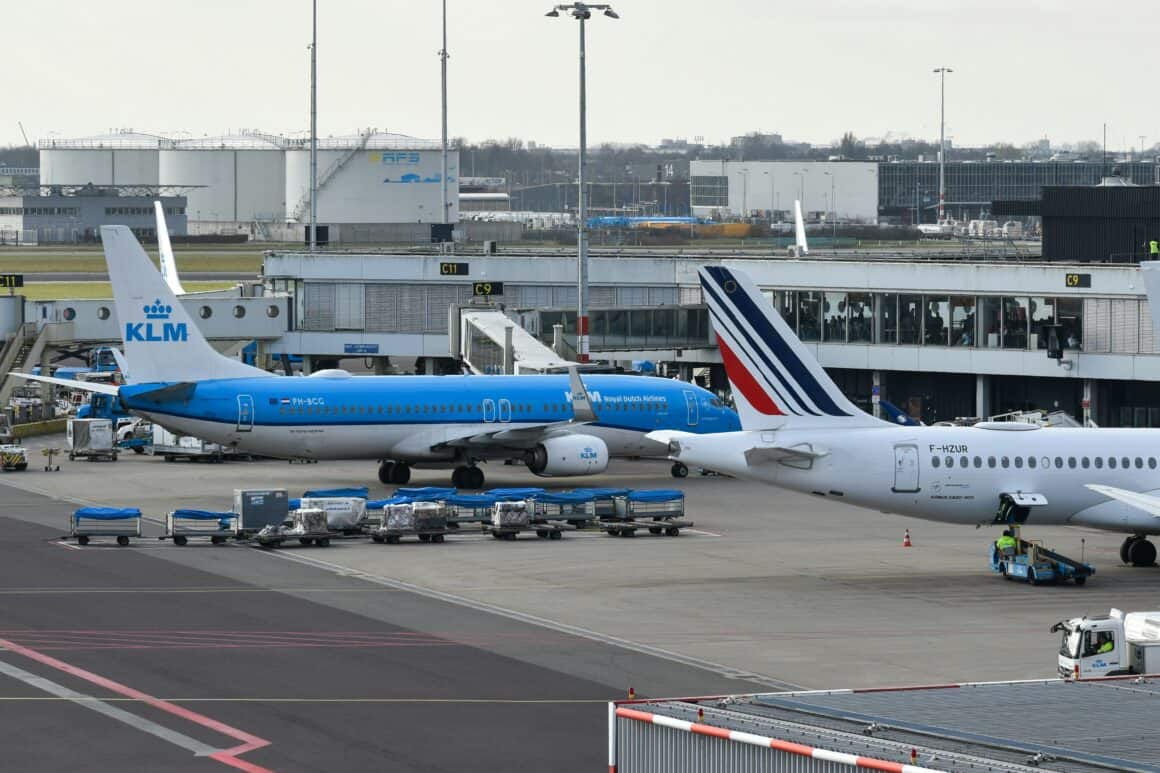
Airlines across Europe are facing rising kerosene costs. Ticket prices are rising and profit margins are shrinking. While airlines such as KLM and easyJet say they are not yet facing shortages, they are definitely feeling the financial strain.
It is increasingly clear that another global aviation crisis is unfolding.
Lufthansa starts cutting
One of Europe’s largest airline groups is already taking action.
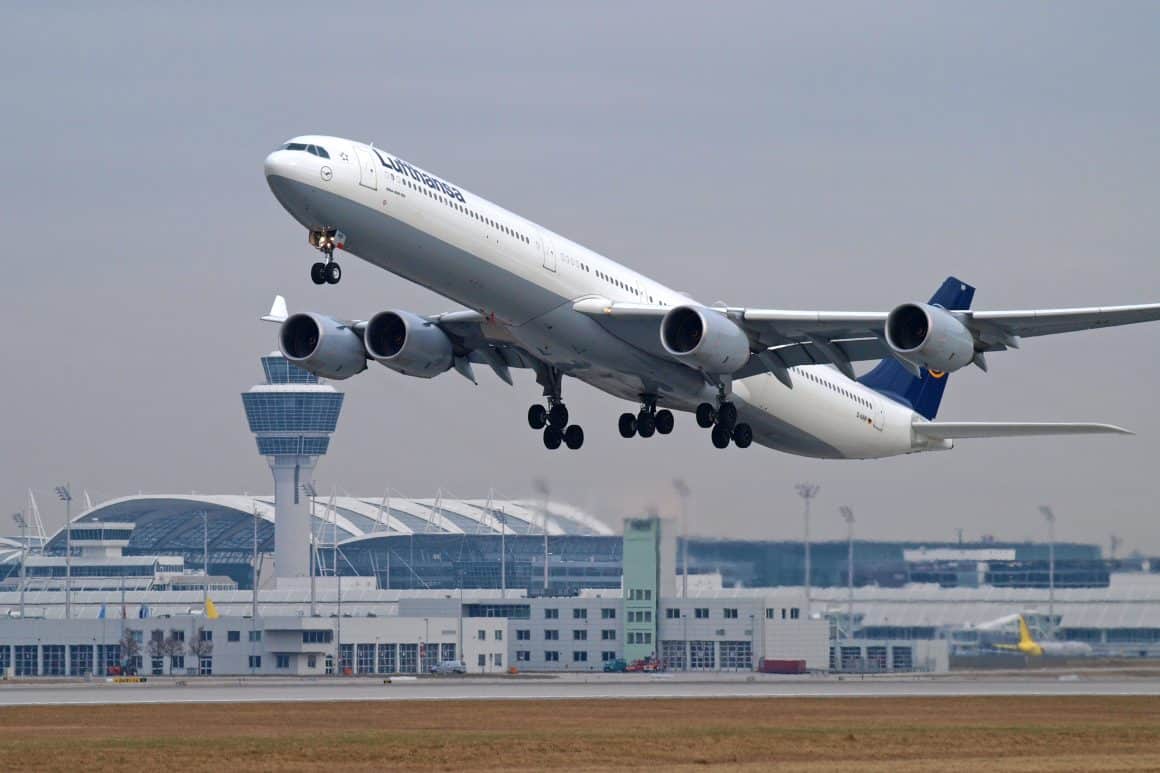
Lufthansa has announced it will reduce capacity and ground less efficient planes as fuel costs rise. These changes are significant.
The group will withdraw all 27 Lufthansa CityLine aircraft from its summer schedule ahead of schedule. It will also retire its last Airbus A340-600s in October and ground more Boeing 747-400s. For long-haul flights, six intercontinental aircraft will be eliminated.
Chief Financial Officer Till Streichert explained that higher fuel prices resulting from the Hormuz disruption are forcing the airline to make changes now rather than wait.
Their plan is simple: fly fewer planes, focus on efficiency and limit the risk of unpredictable fuel markets.
We have seen airlines use this approach in past crises, but the speed of these changes now shows how seriously they view the current situation.
The problems deepen for the spirit
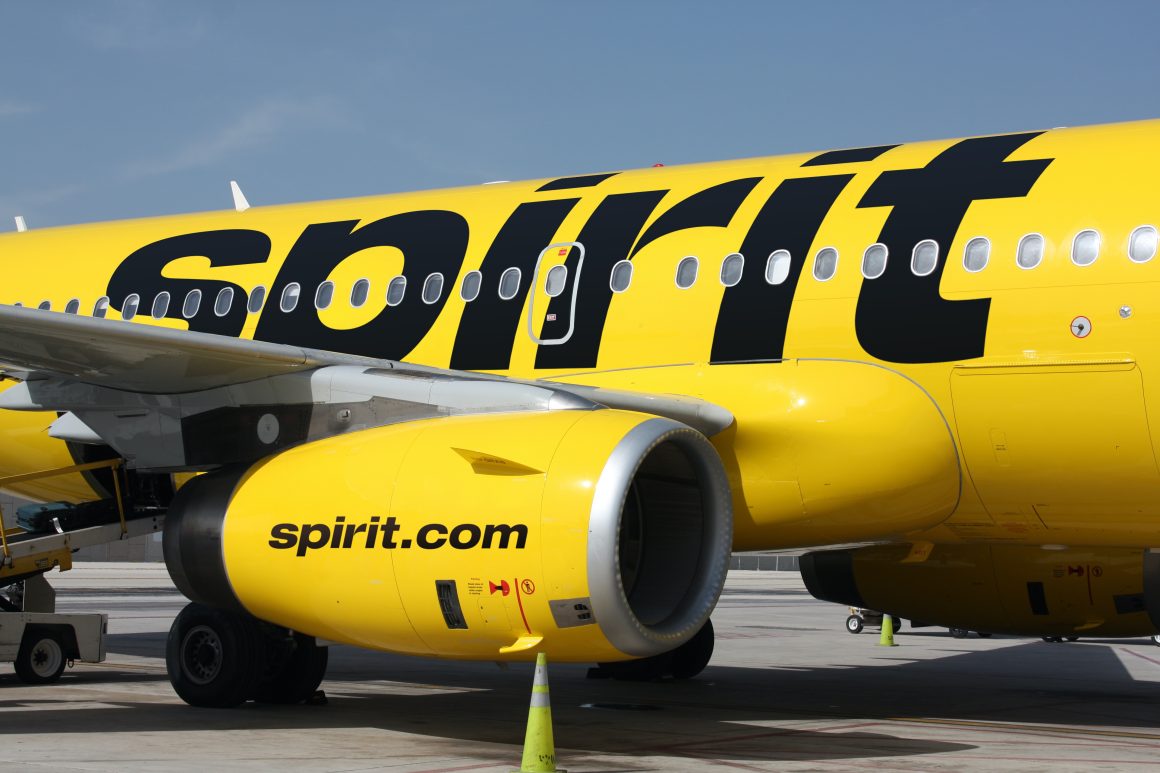
Meanwhile, on the other side of the Atlantic, the pressure is different but just as strong.
Spirit Airlines had hoped to emerge from bankruptcy this summer. Now, that outcome is far from certain.
Rising fuel prices have disrupted Spirit’s restructuring plans. Talks with creditors are becoming complicated and some are even considering liquidation.
That’s a big change. Just a few weeks ago, Spirit was planning to emerge from bankruptcy by the summer, albeit as a smaller airline than before.
Fuel is always a major cost for airlines, but for ultra-low-cost airlines like Spirit, profit margins are even slimmer. Spirit has already cut its network and abandoned unprofitable routes. Now, the numbers just don’t add up.
Analysts say if fuel prices remain high, Spirit could face hundreds of millions of dollars in additional costs. This is a huge challenge for a company that is already bankrupt.
Traditional airlines with premium cabins and greater pricing power can bear some of this pressure. The spirit does not have that advantage. While big airlines are also feeling the impact, it’s much harder for airlines like Spirit.
Could things improve before this becomes a full-blown crisis? It depends.
What sets this moment apart is the widespread scope of the problem.
This is not just an airline or aviation problem. It is a global energy crisis and aviation is the first to feel the effects.
When fuel costs increase, ticket prices also increase. Fewer planes mean fewer flights. If this continues, real fuel shortages could begin to decide which routes airlines can fly.
Birol made it clear: no country is safe from these effects.
If the Strait of Hormuz remains blocked much longer, airlines will soon have to worry less about prices and more about whether they can get fuel.
At this point, the idea that Europe has only six weeks of jet fuel is just a warning, not a sure thing.
Still, for people in the industry, even considering this possibility is deeply disturbing at best… and downright terrifying at worst.