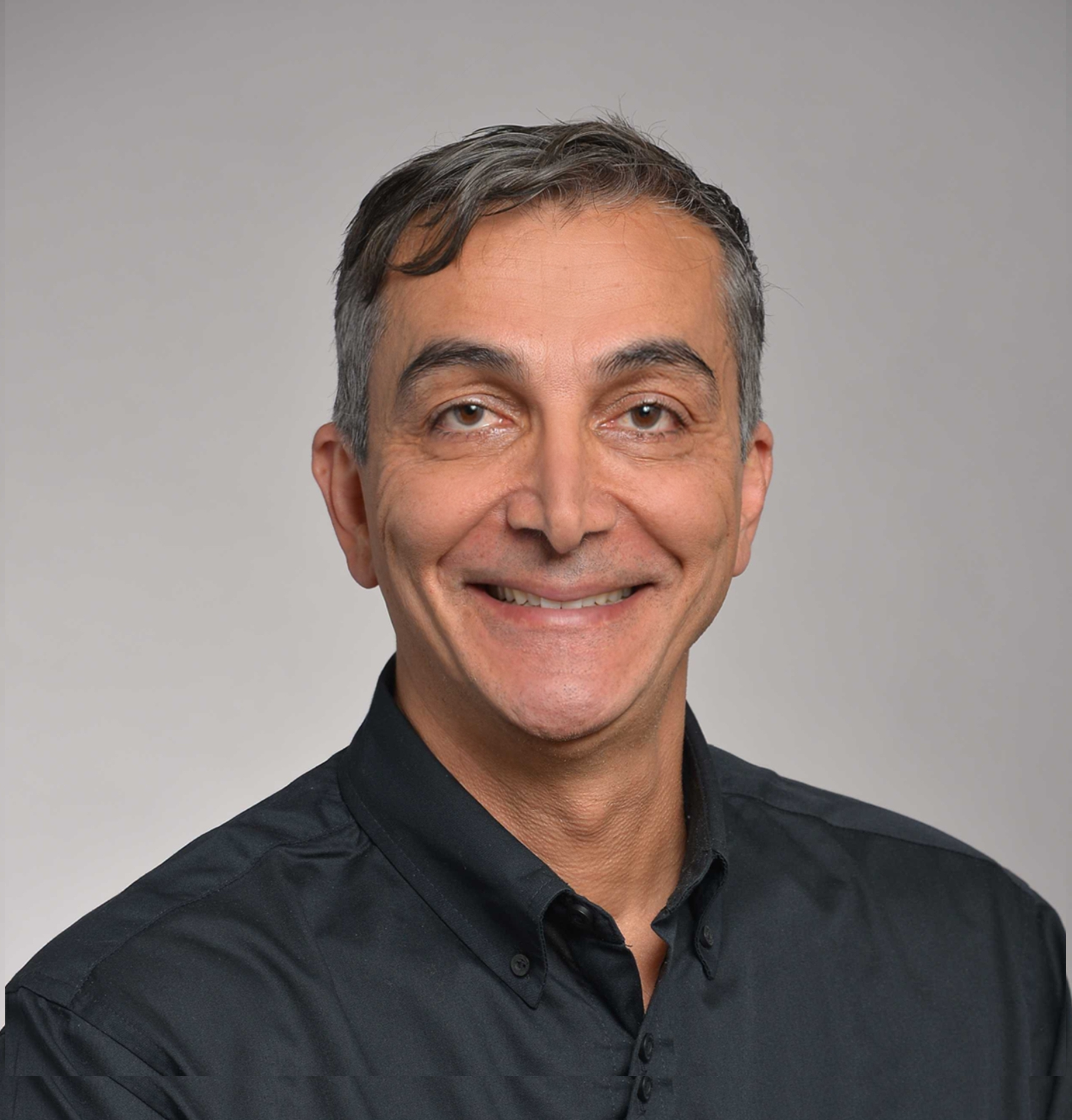
Erica Schwartz, MD, the latest nominee to lead the embattled Centers for Disease Control and Prevention (CDC), told lawmakers Wednesday that she was committed to scientific integrity and transparency to restore trust in the nation’s top public health agency.
“As director of the CDC, my sacred responsibility is to provide the American people with public health guidance that is clear, honest and evidence-based. I will never betray science,” Schwartz said during a confirmation hearing before the Senate Health, Education, Labor and Pensions Committee.
Schwartz is President Donald Trump’s third CDC nominee in less than two years. The CDC has been rocked by leadership changes and turmoil since the start of Trump’s second term. In March 2025, Trump withdrew his first nominee, former Florida Republican Congressman David Weldon, before his scheduled confirmation hearing when it became clear he was short of votes, media outlets reported.
The White House then turned to Susan Monarez, Ph.D., who served as acting CDC director for seven months but was fired less than a month later after clashing with HHS Secretary Robert F. Kennedy Jr. over vaccine policy.
Schwartz, a board-certified preventive medicine physician, served as deputy surgeon general at the Department of Health and Human Services (HHS) during Trump’s first term. He also has a law degree and a master’s degree in public health. She is a retired rear admiral in the U.S. Public Health Service Commissioned Corps and previously served as chief medical officer of the U.S. Coast Guard.
During the hearing, Schwartz affirmed his support for vaccines and medical evidence.
Republicans and Democrats on the committee praised Schwartz’s qualifications and credentials, but pressed her on whether she would protect the CDC from political interference and asked her directly whether she would challenge any political meddling in the agency’s scientific research and health recommendations.
As HHS secretary, Kennedy has introduced several highly controversial changes to US vaccine policy, prompting significant pushback from medical groups and legal challenges. Kennedy dismantled the CDC’s Advisory Committee on Immunization Practices (ACIP) by shot the 17 independent experts on the panel and replacing them with 13 carefully selected members, Fierce Pharma reported. He has also drastically altered the recommended childhood vaccination schedule. The senators noted that under Kennedy’s leadership, the United States is currently experiencing largest measles outbreak in 35 years.
During a congressional hearing in September, Monarez testified that before his firing, Kennedy told him there was “no science or evidence” to support the current childhood vaccination schedule and that he planned to change it in September. Monárez said she was fired “for maintaining the line of scientific integrity.”
Monarez claimed RFK Jr. had fired her for refusing to preemptively approve upcoming recommendations made by a vaccine advisory panel he had reconstituted and for firing other career agency scientists in leadership positions without cause.
Senate RELIEF Committee Chairman Bill Cassidy, a doctor and Republican, repeatedly asked Schwartz if she would object if Kennedy pressured her to take action that was not backed by science.
“You can be director of the CDC and just take orders. We need a director of the CDC who will actually stand up to crazy, stupid things that are said to undermine faith in immunization. Are you the person? And I’m being very blunt here because I obviously feel like we have thousands of children hospitalized because people have promoted that immunization is bad, and now children have died because of it,” Cassidy said during the hearing. “It is bad to do that, and people persist. You are the bulwark, so I ask: will you have the capacity and the firmness to confront this political interference, to say no, that it is wrong and that it is right?”
Schwartz avoided directly answering the question about political interference, responding: “I will never betray science, ever. I will go where the science takes us. I will not have predetermined responses to conclusions. I will make sure that the CDC focuses on scientific rigor, that the CDC focuses on radical transparency, and that the CDC, which is most important to regaining the public’s trust, is that we lead with humility.”
Dissatisfied with his response, Cassidy, a prominent vaccine advocate who has publicly criticized Kennedy’s vaccine policy changes, pressed again: “If someone… is doing wrong things at the CDC, pursuing an agenda detrimental to the public health of the United States, and we’ve seen evidence of that, it’s not a theory. How are you going to handle that situation?”
Schwartz said that if she was confirmed as CDC director and something “concerning” came up, she would take it up with the committee.
Addressing the same issue, Sen. Bernie Sanders (I-Vermont) asked Schwartz: “Will you commit to informing Congress if you receive directives from Secretary Kennedy or any other individual in the Trump administration to implement policies that are unscientific and may harm the health and well-being of the American people?”
Schwartz responded: “I don’t think the president or the secretary ever did what you just mentioned.”
Patty Murray (D-Washington) reiterated the same concern about political interference, asking: “If you are confirmed as CDC director and Secretary Kennedy asks you to commit in advance to approve all recommendations that the ACIP makes in the future, regardless of the scientific evidence, will you do so?”
“The secretary would never ask me to do that,” Schwartz responded, then added, “I will follow the science wherever it leads, Senator. You have my commitment to that.”
During her confirmation hearing, Schwartz said one of her goals as CDC director was to modernize the agency into a “near real-time public health enterprise capable of detecting threats early and responding faster.”
“21st century threats require 21st century systems,” he said, adding that another goal was to “empower states, tribes, local communities and territorial partners as the operational backbone of American public health.”
“Public health works best close to the people. CDC must provide tools, integrated expertise, operational support and funding flexibility, not rigid top-down control. CDC has an extraordinarily talented and dedicated workforce. If confirmed, I would support them, train them and ensure they have the tools and leadership necessary to succeed. At a time when trust in institutions has been challenged, we have an opportunity to restore trust, strengthen scientific integrity, modernize our systems and refocus on CDC’s core mission: protecting the health and safety of the American people,” he said.
Senators on the committee asked Schwartz how he planned to restore trust in the CDC and ensure transparency with the public.
“If I’m confirmed as CDC director, I certainly want to make sure, as you heard in my priorities, that we’re being radically transparent with the American people. So the first order of business for me is really to do a listening session with the CDC’s professional scientists. I want to make sure I understand what their pain points are, what we’re doing as the CDC to help restore trust with the American public,” she said.
Schwartz said she was concerned about a breakdown in trust between CDC career scientists and political leaders. “I want to do everything I can to make sure we can help build morale within the CDC.”
When asked how to address vaccine hesitancy and anti-vaccine opinions among the public, Schwartz responded: “I want to be the CDC director for all Americans. I don’t want to be the CDC director just for Americans who believe in vaccines. I want to be the CDC director for people who have concerns about vaccines. I approach this position with humility. I want to be a nation-focused CDC director. I want to make sure I understand why parents have vaccine hesitancy,” she said. said. “I don’t want to ignore them. I don’t want to dismiss them. I want to have an open conversation with them. I would love to have an open and transparent discussion, and that’s the kind of CDC director I would like to be.”