Today, many airline pilots have never served in the military. But did you know that, in the event of a crisis, you could be asked to fly in direct support of US military operations? Enter CRAF.
With the conflict involving Iran on everyone’s minds and the president requesting $1.5 trillion for the next budget cycle, many civilian and military pilots are wondering what that could mean for the future of commercial aviation. It’s the kind of plot twist your career doesn’t exactly announce during the hiring interview.
CRAF: Contingency Guard Support
There is a fascinating, little-known program that could quickly turn American commercial airliners into troop and cargo transporters. It is called the Civil Reserve Air Fleet or CRAF. It is a voluntary partnership between the War Department and commercial airlines that has existed since 1951. The U.S. Transportation Command runs the program from Scott Air Force Base in Illinois.
CRAF organizes aircraft into segments based on the type of work they can perform. The international segment includes long-range aircraft capable of transoceanic operations to move troops and heavy cargo. It also includes short-range aircraft that handle medium-distance travel for near-shore and select in-theater missions.
The domestic segment covers domestic movements within the United States. This structure gives the military flexible airlift options without overusing its own heavy-lift C-5s and C-17s. After all, even the Air Force appreciates a little help staying on schedule.
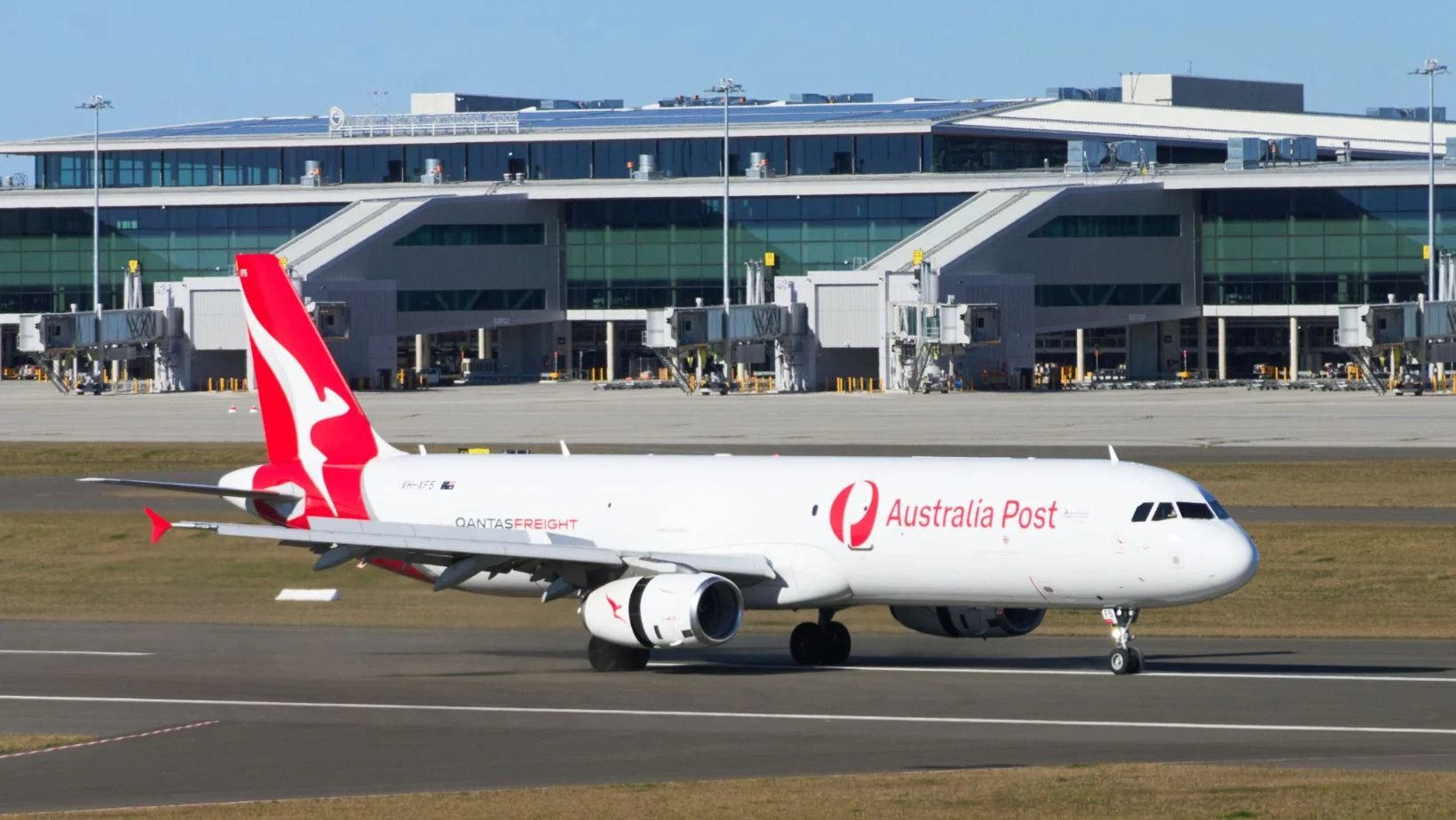
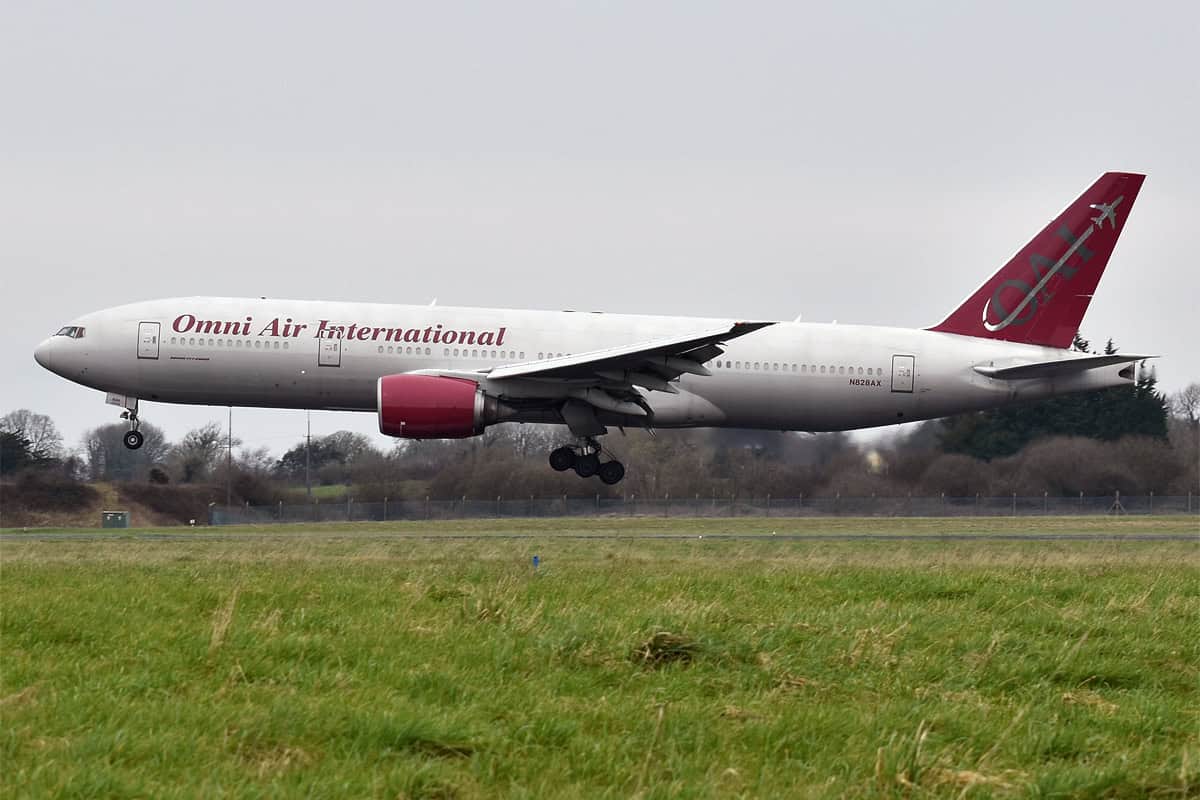
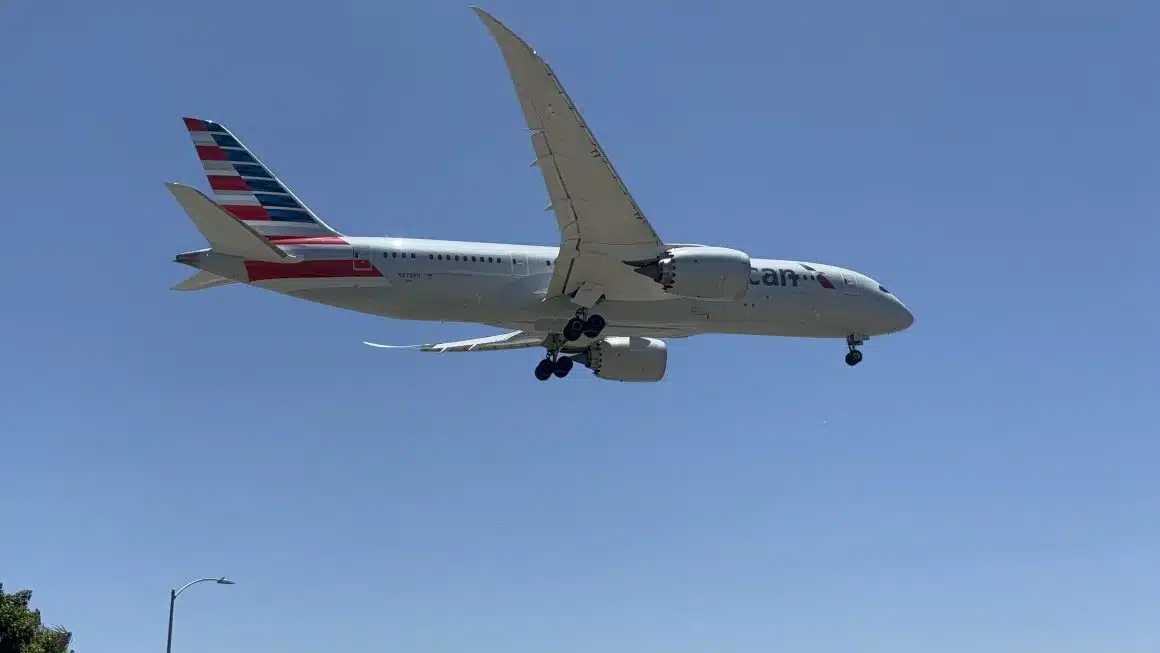
About two dozen U.S. airlines are participating. They include American, Delta, United, Atlas, FedEx, UPS, Kalitta, Omni, Polar, Alaska, JetBlue, Sun Country, Southwest, Allegiant and others. The total fleet committed is usually around 450 aircraft, although the exact mix changes from month to month. And the best part? Chili Mac MRE! It’s a joke!
How CRAF works
The benefit for boat is that airlines are offered preferential DoW contracts even in peacetime. During conflicts (which can significantly impact airline profitability), CRAF provides a guaranteed revenue channel while supporting the nation when needed.
Activation occurs in three stages approved by the Secretary of War.
Stage I covers smaller regional crises or humanitarian and disaster relief needs. Stage II supports a major theater of war. Stage III applies during complete national mobilization. Upon activation, airlines have between 24 and 72 hours to prepare assigned aircraft and qualified crews. The planes remain under civil registration and supervision of the Federal Aviation Administration. You would still be an airline employee and the War Department would only pay your company for actual flying hours. Just don’t worry about the “there I was” stories at your next family gathering. You are still a POG, even if you are very well paid.
CRAF activation stages
- Stage I (minor regional crises or humanitarian needs) – Used in 2021 for the evacuation of Afghanistan to move evacuees from secure staging bases.
- Stage II (main theater of war): Activated during the 1990-1991 Gulf War for large-scale transport of troops and cargo to the Middle East.
- Stage III (full national mobilization): would be applied in a large-scale global conflict on the scale of a potential World War III scenario to provide maximum commercial airlift capacity.
CRAF has been used before
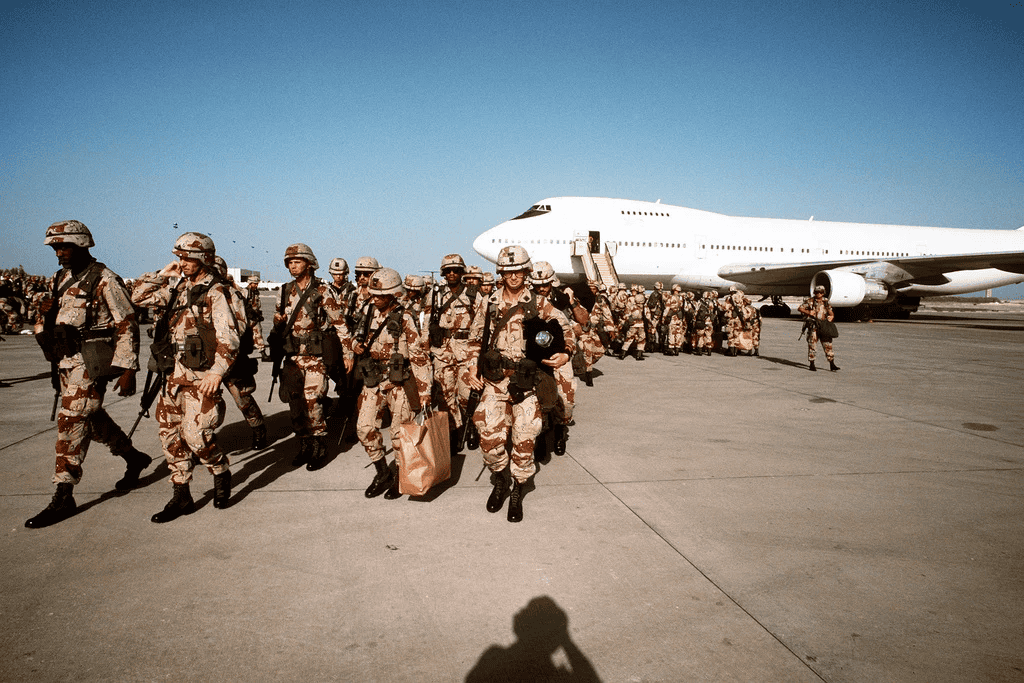
The program has been activated exactly three times in its history. During Operations Desert Shield and Desert Storm in 1990 and 1991, CRAF aircraft flew more than 5,460 missions, carried about 726,000 passengers, and moved about 230,000 tons of cargo. In 2003, it supported Operation Iraqi Freedom with Stage I passenger missions.
In 2021, Stage I assisted with the evacuation of Afghanistan. Around 18 planes transported people from safe havens and operating bases, allowing military aircraft to concentrate on the most critical stages. Not a bad track record for a system that dates back to the Truman administration.
For drivers, especially younger ones, the rules are simple. CRAF missions are performed by the airline’s current crews under normal employment contracts. No pilots are recruited or recruited through this program, but that doesn’t mean some of you can’t break ranks and join. For those who want to achieve maximum military power after hooking all three cables, we salute you!
Crew assignment follows each airline’s union procedures and agreements, and the airline meets its contractual commitment to supply aircraft and people. Any future military drafts, if one were ever reinstated, would be handled separately by the Selective Service System, with no direct link or exemption through CRAF involvement.
Official War Department and Air Mobility Command requirements also state that all flight deck crew members on activated CRAF missions must be U.S. citizens. Even if a pilot has permanent resident status and flies for a participating airline, he or she cannot be assigned to CRAF missions.
Brief examples of CRAF segments
- Long-Range International: Wide-body passenger and cargo aircraft that transport troops and supplies on transoceanic routes from the continental United States to major overseas bases.
- Short-Range International: Medium-sized aircraft that perform medium-range support flights for near-shore or in-theater needs for select operations.
- National/domestic: Personnel managing aircraft and cargo movements entirely within the United States.
So, as the world watches the Middle East with growing concern and pilots nervously discuss the results, the fact is that commercial aviation is itself a national asset that can and has been used to great effect during previous conflicts and is always an option. Trust me. It’s a mission you will never forget!
As always, age is everything!