The delivery race between Boeing and Airbus is off to a good start in 2026. Here’s how the first quarter played out.
On April 14, 2026, Boeing shared its first-quarter delivery figures, offering an early view of how the company is progressing in its recovery, which it is closely monitoring. The announcement focused on the delivery count, but the results show steady progress, incremental growth and cautious optimism as Boeing works to regain momentum in its commercial and defense divisions.
Boeing reported 173 total deliveries in the first quarter of 2026, including 143 commercial aircraft and 30 defense, space and security platforms. That represents an increase of 10.9 percent from the first quarter of 2025, when the company delivered 156 units in total.
In the grand scheme of things, this is not a huge leap. However, it is the constant improvement that Boeing has sought after years of production problems, quality problems and supply chain setbacks.
Commercial deliveries: narrow body strength leads the way
Boeing’s commercial aircraft division still relies heavily on the 737 program, which accounted for the bulk of its deliveries in the first quarter.
| Program | First quarter 2026 deliveries | First quarter 2025 deliveries | Change |
| 737 | 114 | 105 | +9 |
| 767 | 6 | 5 | +1 |
| 777 | 8 | 7 | +1 |
| 787 | 15 | 13 | +2 |
| Total | 143 | 130 | +13 (+10.0%) |
The figures show growth across all major commercial programs, with the 737 still leading the way. This constant production is important because, for Boeing, the narrowbody line is more than just a production engine; It is a key indicator of operational health.
Widebody programs also posted modest gains. Deliveries of the 787 Dreamliner increased compared to last year, demonstrating Boeing’s continued efforts to stabilize production and address supply chain and certification delays related to interiors and seats.
This quarter there were some short-term challenges. TO wiring problem on about 25 737 MAX aircraft required rework and slowed deliveries. Chief Financial Officer Jay Malave said this was primarily a matter of timing, as around 10 deliveries were moved to the second quarter, but full-year expectations remain unchanged.
This outlook is important because, rather than pointing to broader production problems, the issue appears contained and manageable, suggesting that Boeing’s recovery is on track rather than facing further setbacks.
Defense and Space: Steady Growth and Changes in Program Mix

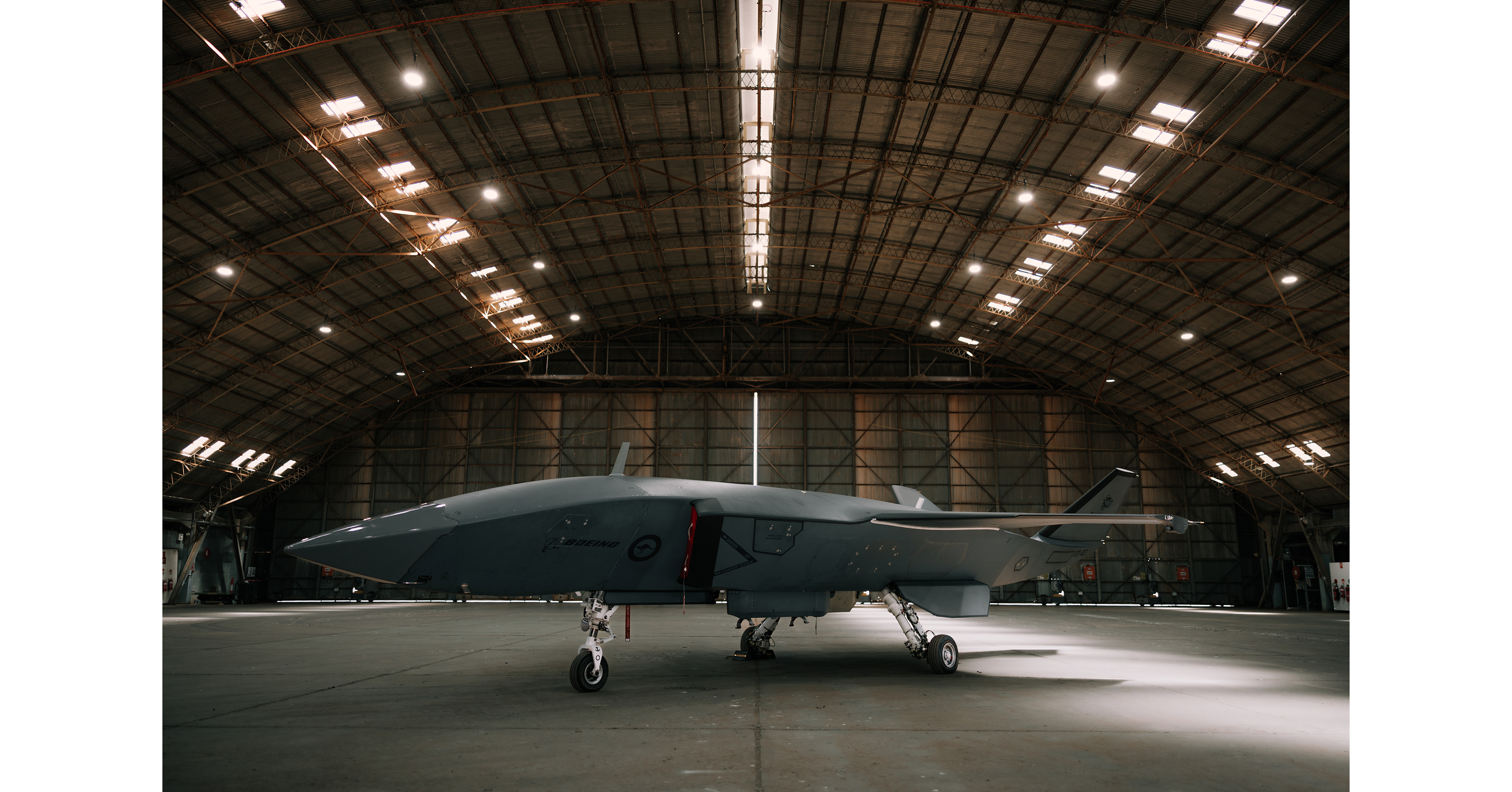
Boeing’s Defense, Space and Security segment delivered 30 units in the first quarter of 2026, up from 26 in the first quarter of 2025, an increase of 15.4 percent.
| Program | First quarter of 2026 | First quarter of 2025 | Change |
| AH-64 Apache (remanufactured) | 15 | 11 | +4 |
| KC-46 tanker | 4 | 0 | +4 |
| MH-139 | 2 | 1 | +1 |
| Other programs | — | — | Mixed |
| Total | 30 | 26 | +4 (+15.4%) |
The numbers show a wide range of products. The growth came primarily from deliveries of remanufactured helicopters and tankers, especially the AH-64 Apache and KC-46 programs. Meanwhile, deliveries of some traditional fighters, such as the F/A-18, declined.
This shows a larger trend in Boeing’s defense business, where support, upgrades and specialized mission aircraft are becoming more important along with the construction of new aircraft.
Boeing vs Airbus: a quarter that stands out
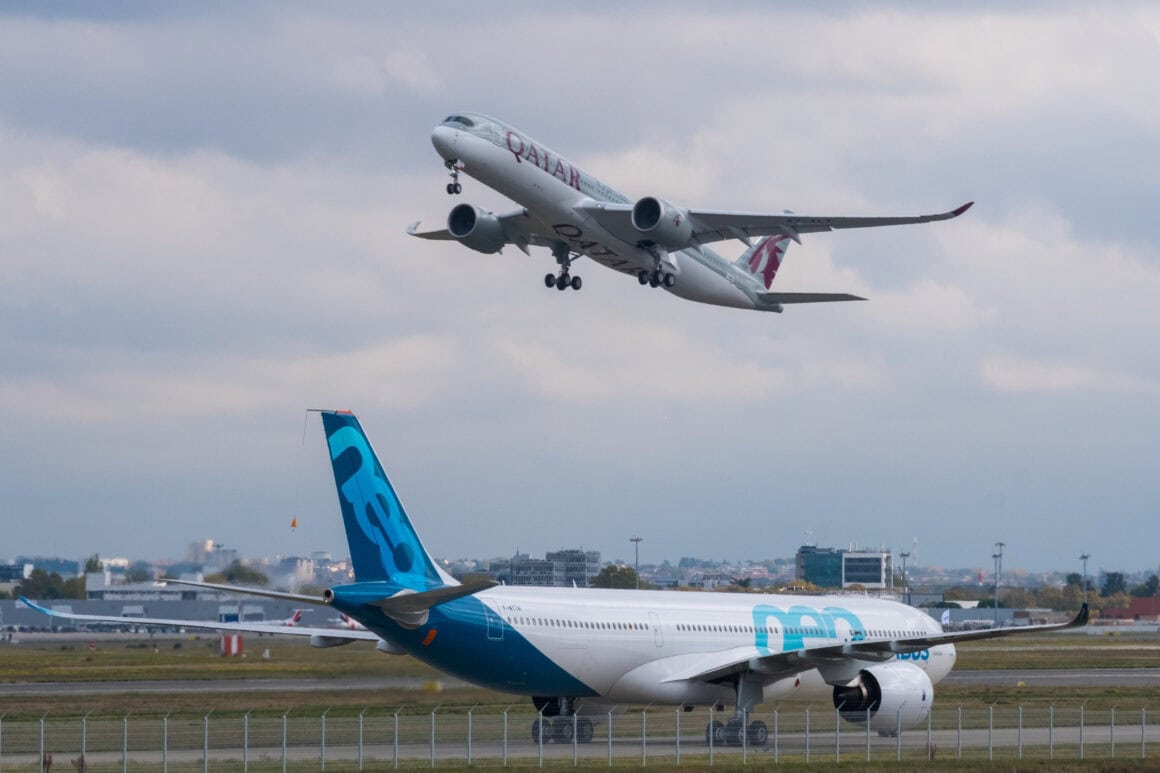
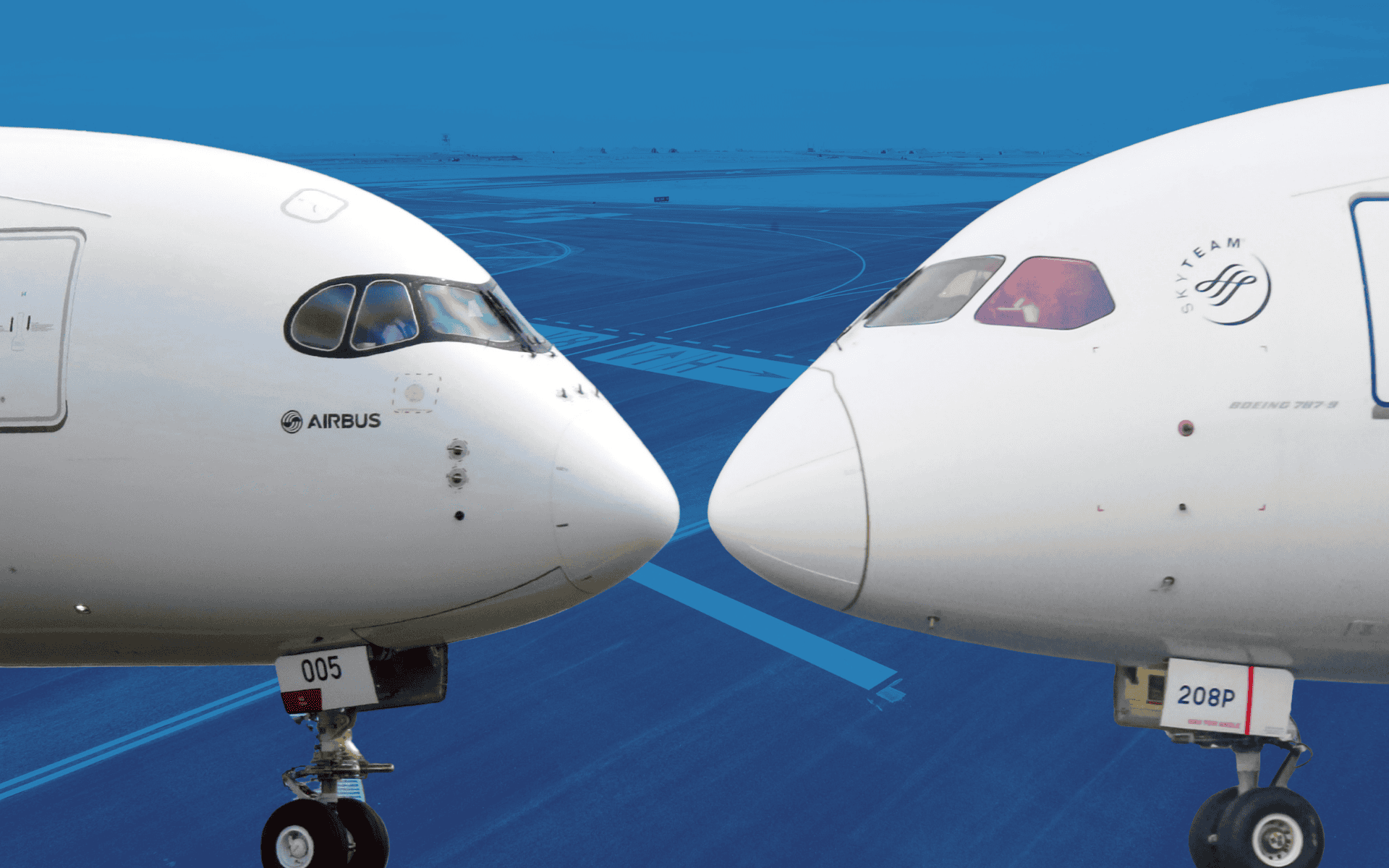
For years, Airbus has maintained a constant lead in the delivery race. That’s what makes the first quarter of 2026 stand out.
| Manufacturer | First quarter 2026 deliveries | First quarter 2025 deliveries | Change |
| boeing | 143 | 130 | +10.0% |
| Airbus | 114 | 136 | -16.2% |
Boeing delivered 29 more commercial airplanes than Airbus in the first quarter, a turnaround that would have seemed unlikely just a couple of years ago.
The reasons are simple. Boeing is improving, while Airbus has faced its own supply chain problems, especially a shortage of engines for the A320neo family.
It’s also important to look at the mix. Boeing’s strong results were not only due to narrow-body aircraft, but also to strong performance in wide-body aircraft. The company delivered 29 wide-body aircraft in the 767, 777 and 787 programs, while Airbus delivered 14 twin-aisle aircraft in the same period.
This doesn’t suddenly change the long-term balance between the two companies. Airbus still has a huge amount of work to do and big goals for the year. But for Boeing, leading even one quarter is a significant sign. This shows that the company’s turnaround efforts are starting to bear fruit.
Looking ahead to the second quarter: push with caution

If the first quarter shows us anything, it is that Boeing’s recovery is already real.
Deliveries are increasing. Production is increasingly stable. And when problems arise, such as the 737 wiring repair, they are managed rather than spreading to other programs.
It will be important to watch the second quarter. Some delayed 737 deliveries should move into the second quarter, which could give Boeing an early advantage. Still, challenges remain, especially with supply chain reliability and certification timelines for interior parts on planes like the 787.
Boeing will share its full financial results on April 22, 2026, which will provide more context for these delivery numbers.
For a company that has spent years rebuilding trust with regulators, customers and travelers, this steady, measurable progress could be the most important sign yet.
Boeing is no longer in free fall.
Instead, it’s coming back steadily, one installment at a time.