If you’ve noticed dramatic headlines about ICE at airports starting Monday, March 23, 2026, you’re not alone.
The news has been fast and sometimes confusing. So what is really happening and what isn’t?
Is ICE really being deployed at airports?
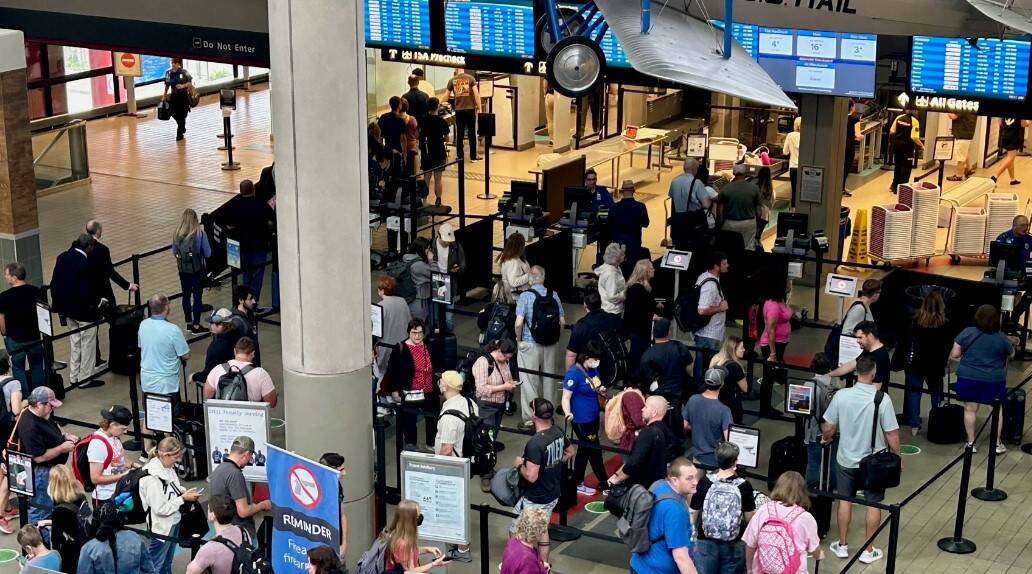
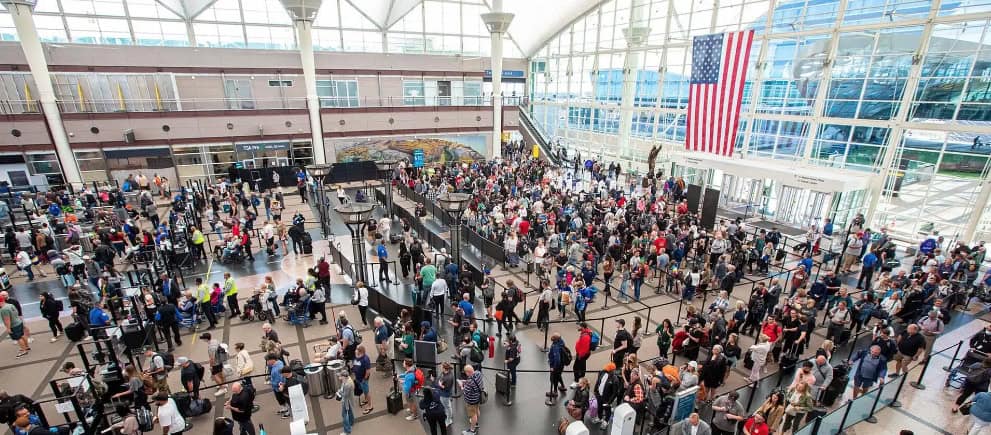
Yes, that is confirmed. U.S. Immigration and Customs Enforcement (ICE) Agents will help at several US airports starting Monday morning, March 23, 2026. This is happening because the TSA is facing major staffing shortages due to the current partial government shutdown. TSA agents have not been paid for weeks (some for more than five weeks), leading to more no-shows, more than 400 resignations and long security lines at busy airports during peak spring break travel.
Why is this happening now?
This situation is due to excessive pressure on airport operations. Passenger numbers are increasing, but TSA staff are stretched thin at a busy time. ICE agents are being brought in to help keep lines moving and reduce delays. President Donald Trump first mentioned the idea publicly and later confirmed it, saying it is both a practical solution to the TSA shortage and part of a broader debate over federal funding.
Who runs this operation?
Officials say Tom Homan, the White House border czar, is leading this effort and working with ICE and TSA leaders. Homan called ICE agents a “force multiplier” and emphasized that their job is to support the TSA, not take control.
So what will ICE agents actually do at airports?
It’s important to clear up any confusion here. ICE agents are not taking charge of security checks. They will not use X-ray machines, nor will they screen passengers or inspect bags. Officials have made it clear.
Instead, ICE agents will help with support tasks such as guarding departures, managing passenger flow, guiding travelers and helping control crowds in busy areas. This allows TSA agents to focus on their core screening work, where they are needed most.
Will ICE review documents or identification?
They may check documents or IDs on a limited basis, but they will not replace the TSA screening process. ICE’s role is expected to remain focused on support, not primary security tasks.
Does this mean increased immigration enforcement at airports?
This is a common misunderstanding. ICE already works at airports as part of its regular duties, which include investigations and enforcement actions involving people who are in the United States illegally. Officials have said this new deployment does not change that mission. Those activities will continue as normal, along with new support tasks.
What airports are involved?
The list of airports is still being developed. At this time, there is no complete public list of which airports will receive ICE support or how many agents will be sent. Major airports with the longest waits are being prioritized, and one report says Hartsfield-Jackson Atlanta International Airport (ATL) will likely be among the first.
How long will this last?
There is no set end date. Officials say this is a temporary measure, but it could last “as long as it takes” to fix funding issues and get TSA staff back on track.
So what is the reality here?
ICE will not be responsible for airport security. The TSA is still in charge of screening and that is not going to change. The only change is who helps with the overall operation.
ICE at airports may seem alarming (and the media does a great job fanning the flames), but the bigger picture tells a different story. This is not a takeover of airport security or a fundamental change in the way passengers are screened. This is a temporary and targeted response to staff shortages at a critical time for air travel. TSA remains in charge of screening operations, while ICE steps in to support the system. In a situation determined by both politics and logistics, the reality is much more measured than the headlines suggest.