United flight cuts begin as jet fuel prices rise. FAA restrictions at Chicago O’Hare are making the busy summer schedule even stricter.
United Airlines is the first to take action.
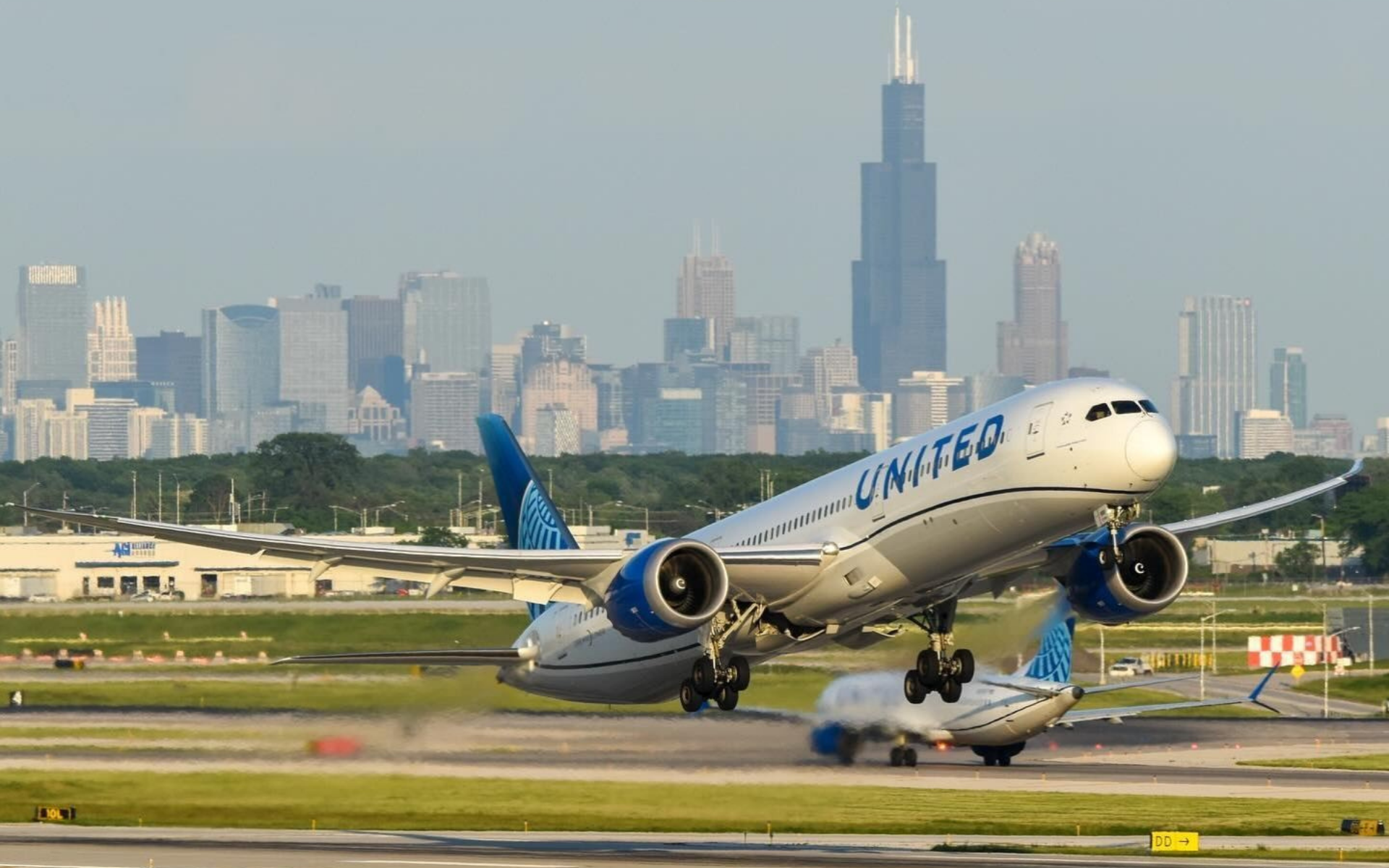
This week, United announced it will cut about 5 percent of its planned flights over the next few months due to rising jet fuel prices in the wake of Operation Epic Fury and the escalating conflict with Iran. The move is a direct response to higher costs and shows how the industry is having to adapt, even as some airlines continue to grow.
This comes at a particularly difficult time for Chicago O’Hare (ORD).
In recent months, both United and American Airlines have been aggressively expanding at the airport, adding flights, increasing frequencies and reconnecting a wide range of markets to one of the country’s most important hubs. That includes cities like Kalamazoo (AZO), Erie (ERI), Lincoln (LNK), Lansing (LAN), Tri-Cities (TRI), Champaign-Urbana (CMI), Bloomington-Normal (BMI), Allentown (ABE), and Columbia (CAE).
Now, this expansion faces two limitations that converge simultaneously.
At ORD, the Federal Aviation Administration (FAA) plans to limit flights this summer because airlines are scheduling more flights than the airport can realistically handle. At the same time, rapidly rising fuel prices are causing airlines to reconsider which flights make financial sense.
Each of these challenges would be manageable on its own.
Together, they are forcing airlines to adjust their plans.
A tactical setback in a high fuel cost environment
United CEO Scott Kirby described the cuts as a short term response to higher costs, not to a change in the airline’s long-term plans.
Jet fuel prices have more than doubled in the last three weeks. If prices stay that high, Kirby said it could mean an additional $11 billion in annual fuel costs. To put it in context, United’s best year generated less than $5 billion in profits.
Meanwhile, demand remains strong. Kirby said United had the top 10 revenue weeks in the last 10 weeks.
This situation is key for United at the moment. Planes are full, but higher fuel costs are eating into profits.
“We are ready, we have a plan and we are going to continue to execute it,” Kirby said in a recent update.
We are ready, we have a plan and we are going to continue executing that plan.
Scott Kirby | United Airlines CEO
United is cutting flights that cannot cover these higher costs at this time. The airline will reduce about 3 percent of off-peak flights, such as red-eye flights and flights on less busy days such as Tuesdays and Wednesdays. It also suspended service to Tel Aviv (TLV) and Dubai (DXB) and cut about 1% of capacity at Chicago O’Hare.
In total, this means that about 5 percent of planned flights will be cut for now, but Kirby hopes to regain the full schedule by fall 2026.
Kirby stressed that these cuts are targeted. United will not lay off staff or delay new planes. The airline still plans to take delivery of around 120 new aircraft this year, including 20 Boeing 787s, and more than 100 more by 2028.
United plans for oil prices to possibly reach $175 per barrel and remain above $100 through 2027.
Demand is strong. Margins are under pressure.
This slowdown is not due to weak demand.
Recent bookings show that travel demand remains strong, even with higher fares. But airlines have slim profit margins and fuel remains one of their biggest costs.
When fuel prices rise so quickly, even strong demand can’t offset higher costs on all routes.
That’s why airlines start by cutting the least profitable flights.
United is the first major U.S. airline to announce major flight cuts due to high fuel prices. Other airlines have said they could do the same if prices remain high, and some international airlines have already changed high schedules or rates.
The airline industry is reaching a point where simply growing is not enough. Even with strong demand, making a profit is now the main challenge.
Chicago O’Hare: Expansion meets operating limits
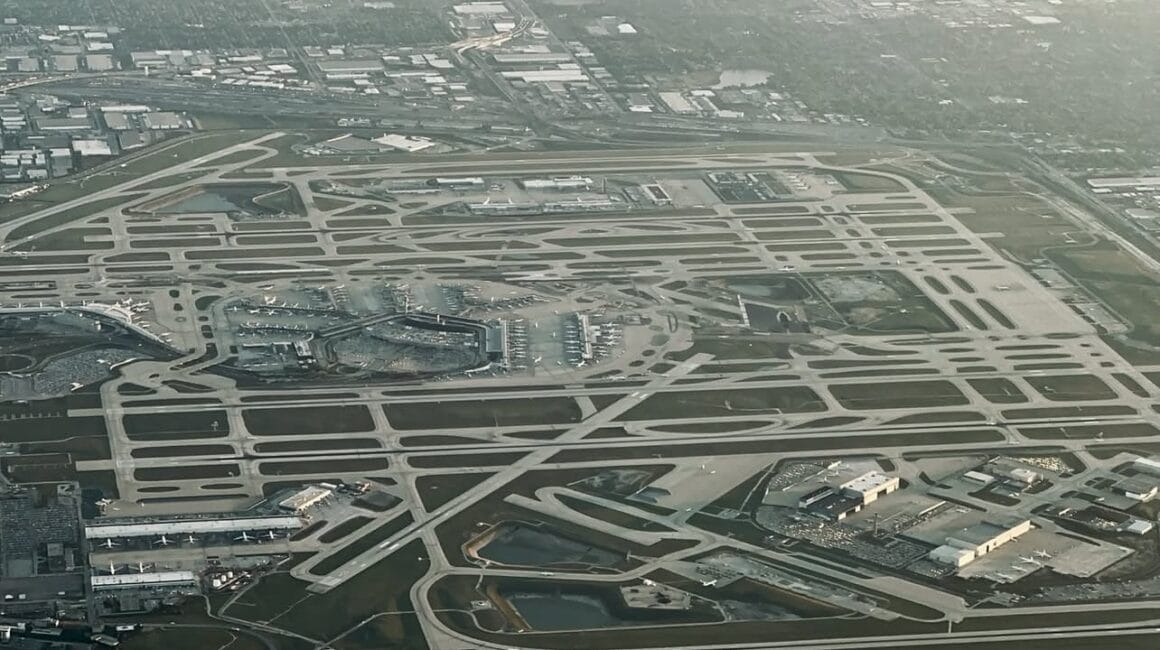
While United is cutting flights, Chicago O’Hare – United’s largest hub – also faces its own capacity constraints.
The FAA intervened after airlines scheduled more than 3,080 daily operations on peak days for the 2026 summer season. The agency has indicated that approximately 2,800 daily operations is a more sustainable level given current runway, terminal and air traffic control capacity.
That gap led the FAA to initiate a schedule reduction process to avoid widespread delays and operational disruptions.
This creates a second layer of pressure.
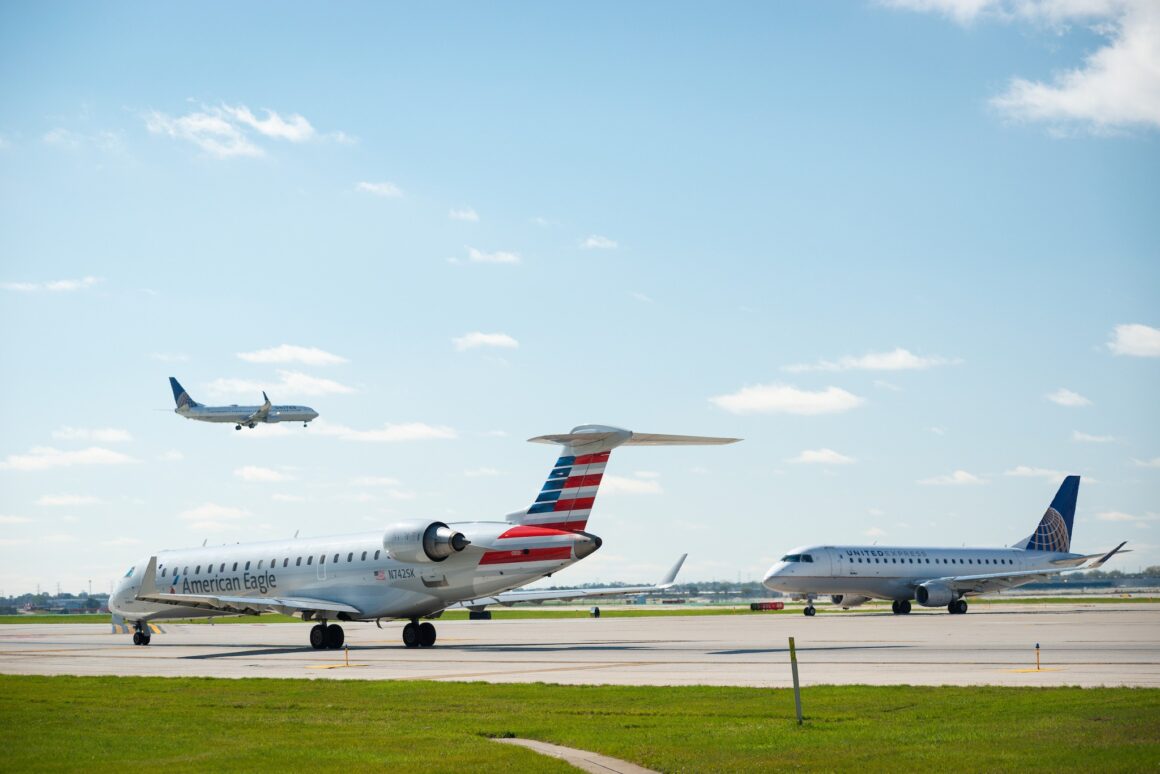
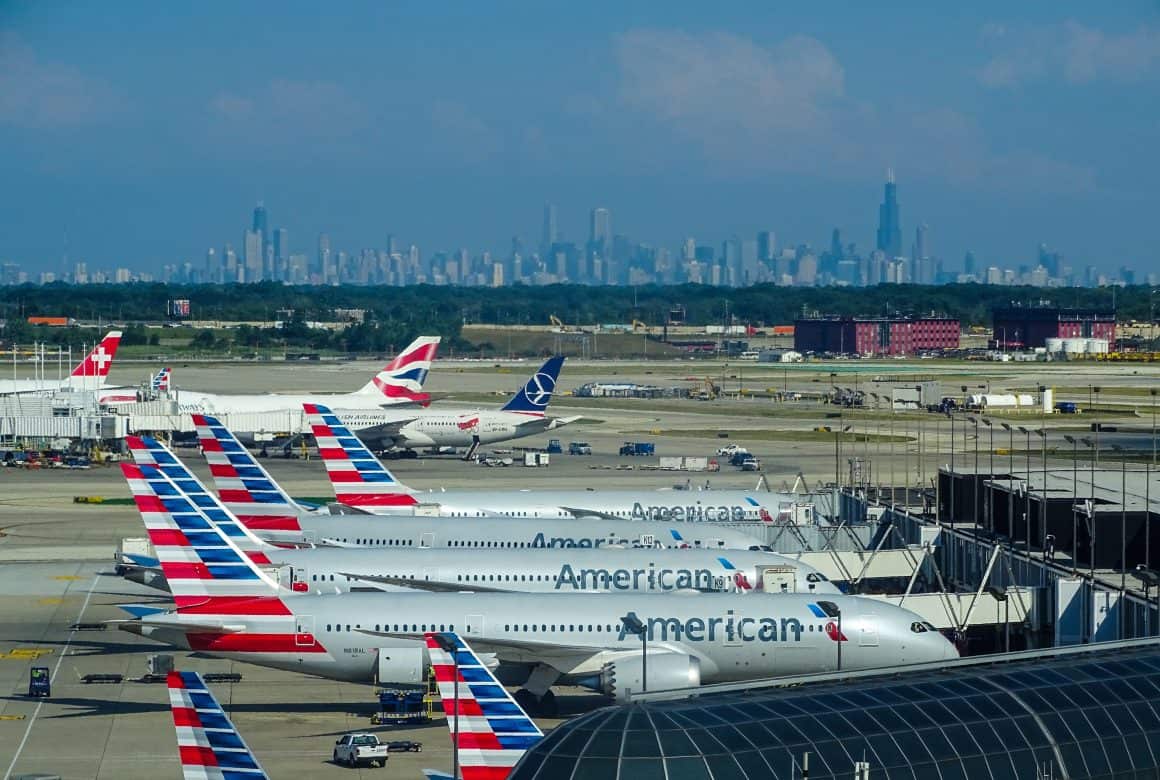
Both United and American have expanded rapidly at ORD. United has been entrepreneur towards approximately 780 daily departures, while American has been building towards more than 500. The combined schedules would have made this summer one of the busiest in the airport’s history.
Now, airlines are having to change those plans just weeks after they were made.
For United, part of its announced 5 percent capacity reduction is already directly tied to anticipated cuts at O’Hare as the FAA process moves forward.
This means United isn’t just reacting to rising fuel costs. He also has to adapt because O’Hare can’t handle all the growth he had planned.
The domino effect throughout the network
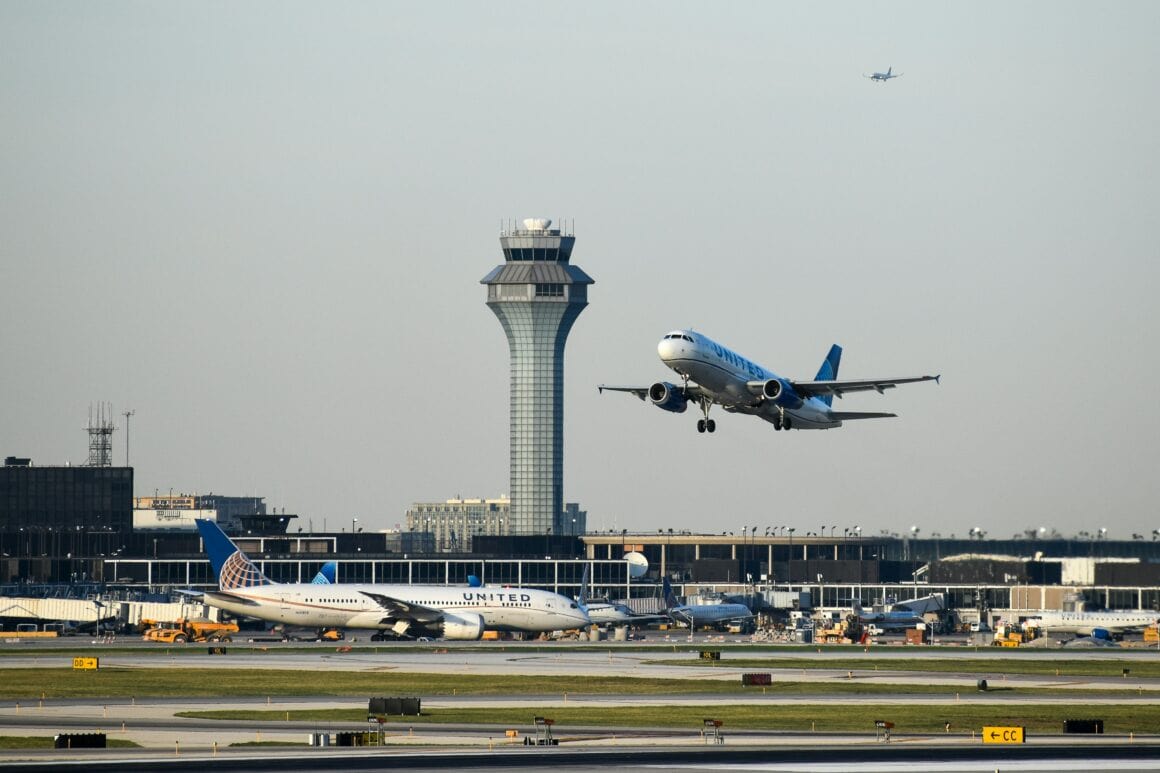
When airlines cut flights, the impact goes beyond a single city or market.
United says it will primarily cut less profitable flights, especially those during off-peak hours or on routes that make less money. This is a common strategy when costs increase.
This situation is more complicated because several problems occur at once. Fuel prices are rising rapidly and it is unclear how things will turn out. FAA limits are cutting available flights at a major hub, and airlines just expanded their schedules, especially at O’Hare.
That combination requires adjustments across the network.
Some routes may have reduced frequencies. Others may be delayed or seasonally modified. In some cases, the newly announced service may not launch exactly as originally planned.
This is particularly relevant to newly added or expanded routes on ORD, including recent service announcements for small and medium-sized communities across the United States.
There has been no indication that any of these specific routes are being cut.
But flights to these types of communities tend to be more affected by cost changes and schedule adjustments. When airlines update their schedules, these types of routes are often among the first to see changes in frequency or schedule.
These routes are not the reason for the cuts.
But these routes may be where the effects manifest first. For some small and medium-sized communities, these new flights were a lifeline for airports that have struggled since COVID-era service reductions.
The conclusion
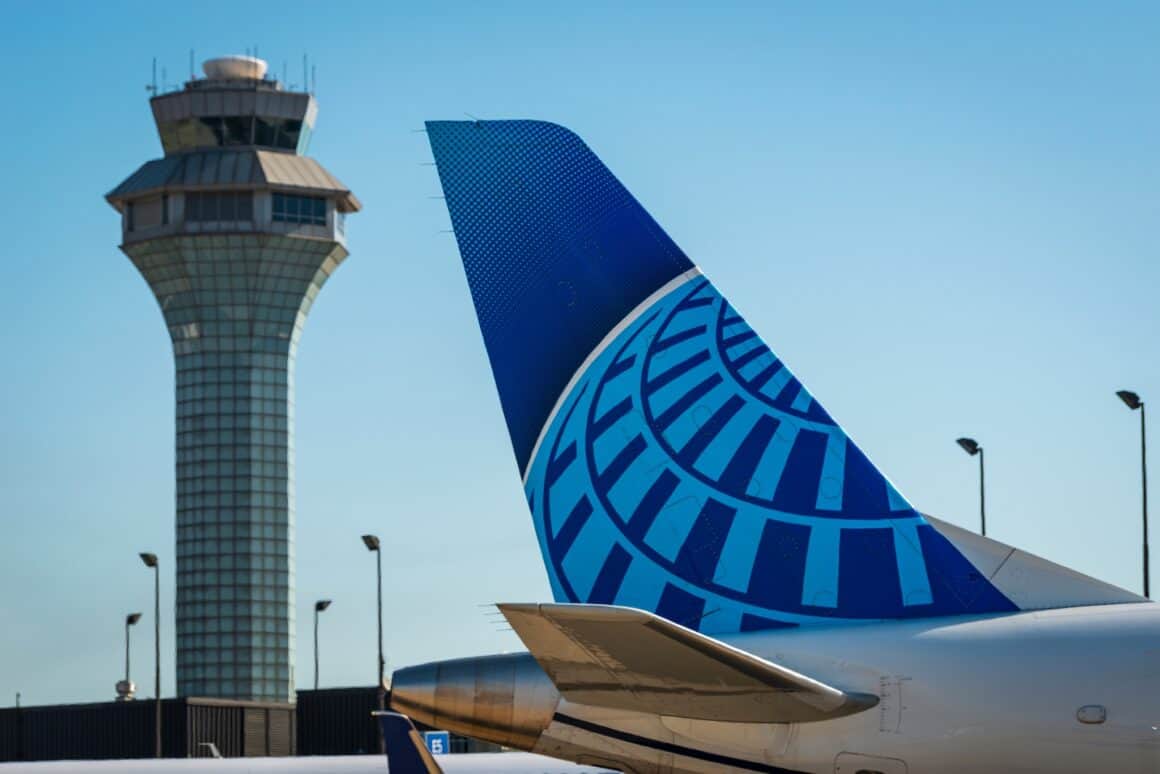
United says these flight cuts are temporary and plans to bring back the full schedule by fall 2026.
United’s long-term plans have not changed. The airline continues to acquire new aircraft and invest in its hubs and infrastructure.
But the short-term situation is changing.
Fuel prices are rising rapidly. Limits at large centers like Chicago O’Hare are slowing growth. Airlines now have to rethink how many flights they can operate at current costs.
As a result, airlines are making adjustments.
Just a few weeks ago, ORD’s focus was on growth, with more flights, more destinations and better connections.
Now the focus is on finding balance.
How airlines manage this balance in the coming months will affect not only the summer 2026 schedule, but also the future of network planning for US airlines.