The pilot of a hot air balloon who saw a tear reopen in flight was likely influenced to take off despite inadequate repairs because of the “perceived expectations” of passengers, the ATSB said.
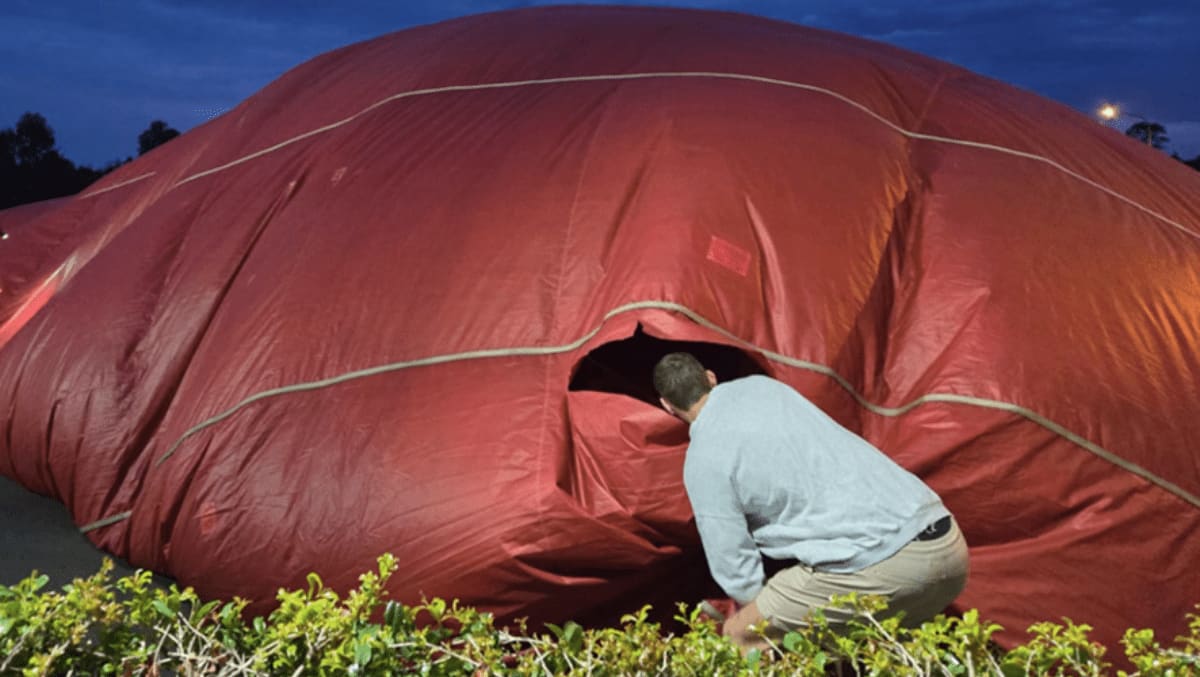
VH-RRP, a Kubíček BB142P hot air balloon, suffered a 45cm tear while cold inflating it before an early morning flight near Beaudesert in Queensland on October 18 last year, and was repaired in the field with “specialist adhesive tape”, according to investigators.
This content is available exclusively to Australian Aviation members.
To continue reading the rest of this article, please log in.
To unlock all Australian Aviation magazine content and again unlimited access to our daily news and features, Become a member today!
A monthly membership is just $5.99 or save with our annual plans.
See benefits
-
Australian aviation quarterly print and digital magazines -
Access to In Focus reports every month on our website
MOST POPULAR
PRINTING + DIGITAL
See benefits
-
Unlimited access to all Australian Aviation digital content -
Access to the Australian Aviation app -
Australian aviation quarterly print and digital magazines -
Access to In Focus reports every month on our website -
Access to our behind-the-lens photo galleries and other exclusive content -
Daily news updates via our email newsletter.
DIGITAL
See benefits
-
Unlimited access to all Australian Aviation digital content -
Access to the Australian Aviation app -
Australian aviation quarterly print and digital magazines -
Access to In Focus reports every month on our website -
Access to our behind-the-lens photo galleries and other exclusive content -
Daily news updates via our email newsletter.
The partially inflated envelope had been pushed against nearby light poles by a sudden change in wind direction, and although the pilot noticed the repair degrading in flight, he did not consider it necessary to land ahead of schedule.
“The initial damage occurred after an inflation and launch position was selected that did not provide sufficient distance from nearby obstacles,” ATSB transport safety director Dr Stuart Godley said.
“The resulting tear, which the pilot estimated at 45 cm, far exceeded the 2.5 cm no-overstitch limit defined by the manufacturer for this type of field repair. However, the pilot did not fully understand the manufacturer’s instructions.
“After hot-inflating the balloon and not observing any immediate degradation of the repair, the pilot likely perceived the expectations of the 24 passengers, who had already arrived for the flight, as a strong motivator to continue.
“The weight of passengers’ perceived expectations would likely cause the pilot to seek solutions to allow the flight to continue, rather than canceling and rescheduling the flight to make necessary repairs.”
During the subsequent flight with the pilot and 24 passengers on board, the repair degraded and a hole opened in the envelope, allowing air to escape the balloon. The pilot was able to continue the flight and land at the planned destination without further incident.
“When the repair was degraded in flight, the pilot continued for the remaining 5 to 10 minutes of the planned flight, rather than landing immediately, despite the manufacturer’s flight manual instructions to land as soon as possible following the in-flight envelope damage,” Godley said.
“This incident demonstrates how pilots and maintenance personnel must be aware of internal and external business pressures to continue a flight without investigating and performing appropriate repair, should the envelope become damaged.
“These repairs must be performed in accordance with the manufacturer’s instructions, as unapproved repairs can normalize unsafe practices over time and pose a significant risk to those on board.”
In November, the ATSB published a safety study that found hot air balloons were at a much higher risk of incidents than light aircraft or helicopters.