- 1 in 3 active cryptocurrency traders cut back or reduced spending on everyday life since October 2025.
- 41% say their biggest regret is not having a clear exit plan, not how much they invested.
- Despite the reduction, 79% plan to maintain or expand their position over the next six months.
Bitcoin is about 40% below its October 2025 peak, and for many retail traders that means racking up unrealized losses, which could be measured in months of salary for some. CEX.IO surveyed 1,100 active US cryptocurrency users to find out how the current bear market affected their lives. The responses paint a picture of a bear market that is calmer than in 2022, but still puts pressure on household finances in ways that are rarely reflected on a price chart.
More than 1 in 3 merchants reduce spending
One way to assess the impact of the bear market is whether users reduced spending on non-crypto purchases. 36% said yes to cost reduction, while 10% of those surveyed said these were not minor adjustments and that they needed to make real sacrifices specifically to keep their positions intact.
Besides, 37% of respondents said they delayed or canceled a purchase because of their cryptocurrency portfolio. – and for 21% of all respondents, these were potentially large expenses, such as a house, a car or a renovation.
To gauge how big it is: An October 2025 Redfin/Ipsos survey found that 17% of Americans delayed a major purchase due to the federal government shutdown, a macroeconomic event that dominated headlines for weeks. The cryptocurrency bear market produced a comparable or greater effect on people exposed to it. However, cryptocurrency users typically don’t talk much about it.
That silence appears in another part of the survey. Only 5% of respondents stated that they have someone who knows exactly how many cryptocurrencies they have and what their current value is.. 41% said that someone knows he has cryptocurrency but not its scale, while 18% keep it completely private.
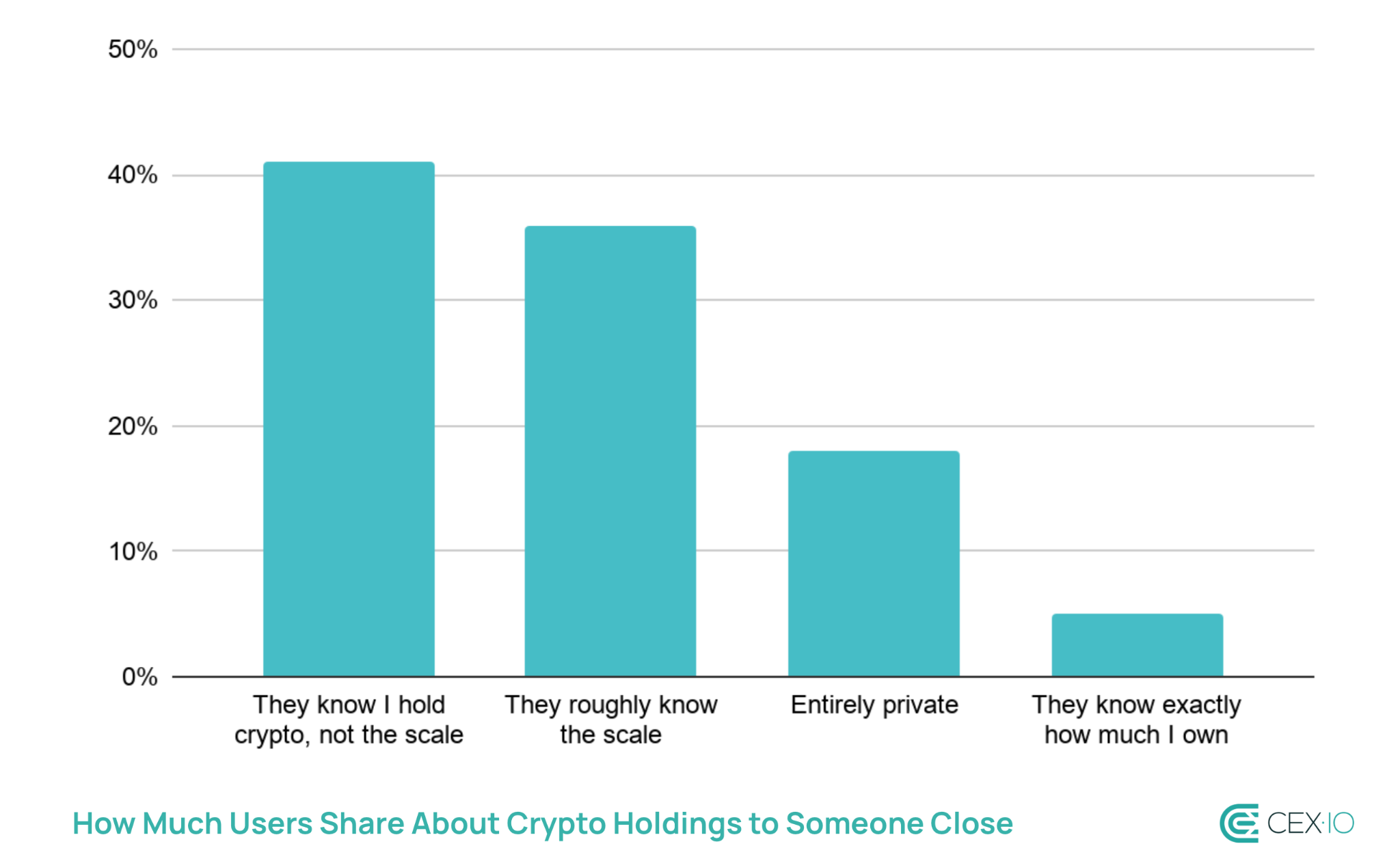
It’s not necessarily about hiding. Inherently, cryptocurrencies are an individual investment with no shared account or broker statement. Giving someone an accurate number would require sharing access or constant updates, which could be a burden. As a result, most cryptocurrency users are navigating a bear market largely alone, and the people around them have no idea.
Cash flow pressure remains relatively high
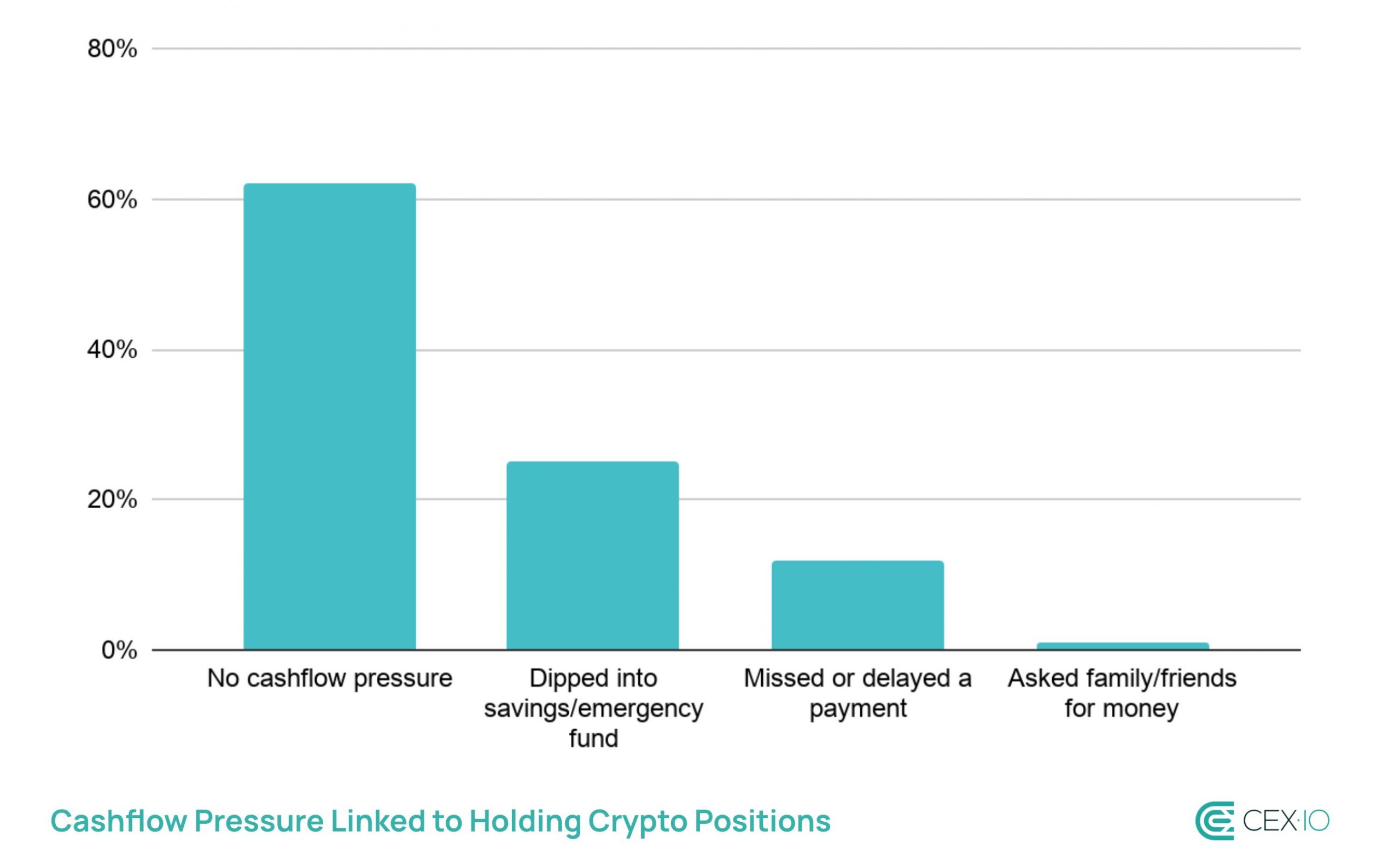
77% say they did not take on additional debt to cover their cryptocurrency investments.. But the most telling measure is cash flow: By dismissing the question of formal debt and simply asking whether people felt financial pressure, 38% said they had experienced some type of interruption. since October 2025. A quarter turned to savings or an emergency fund to maintain normality on the surface, while 12% shared that they missed or delayed paying a bill or other types of regular payments due to cryptocurrencies.
It is important to note that those figures are almost certainly conservative due to the social sensitivity of these issues, suggesting that the true figure could be higher.
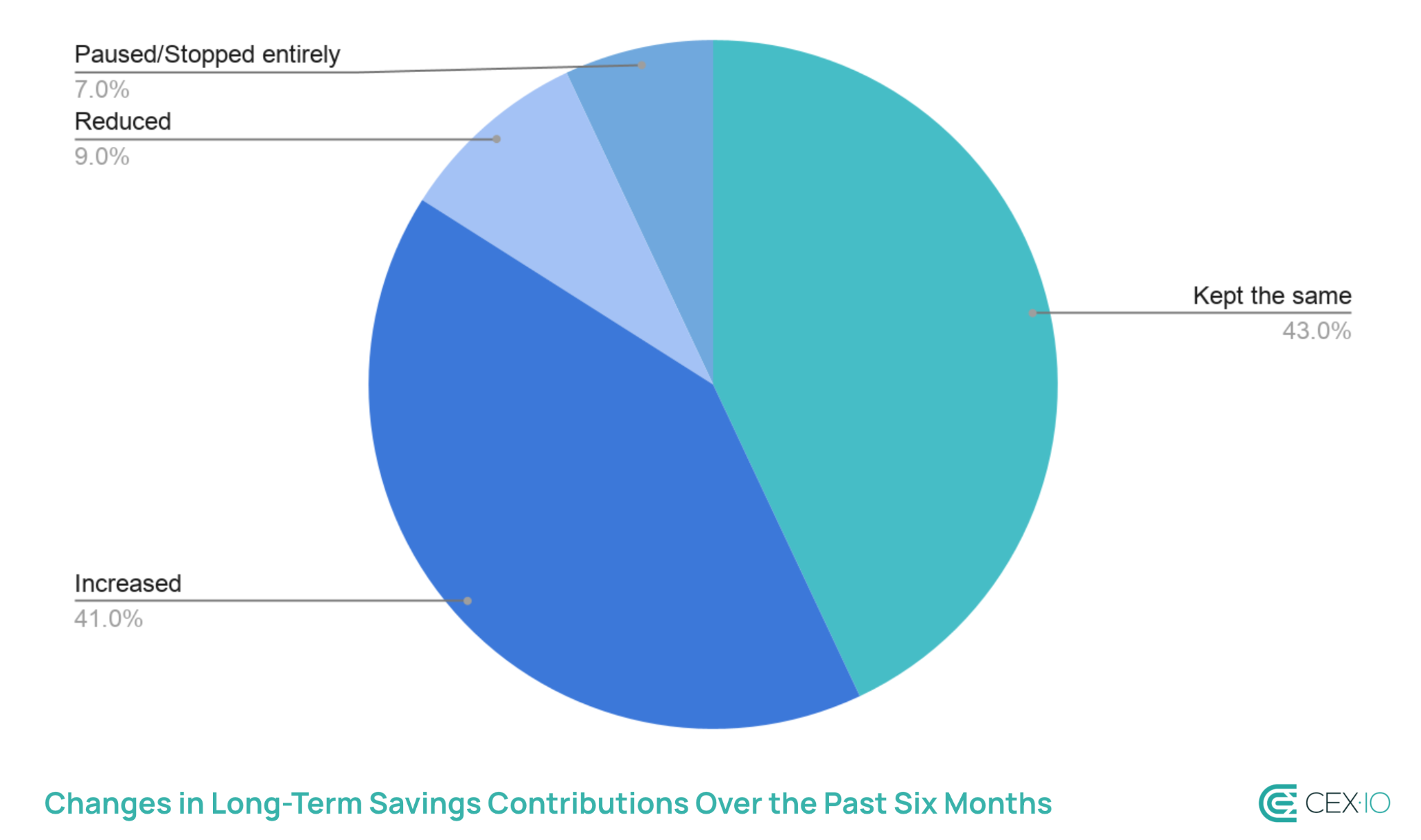
The savings picture adds another layer. 41% more contributions to what were described as more secure jobs — This figure includes both traditional financial instruments and a rotation toward stablecoins and yield-generating products, reflecting a crypto-native version of flight to safety. At the same time, 16% reduced or completely stopped contributions to long-term savings, potentially due to a desire to “buy the dip.”
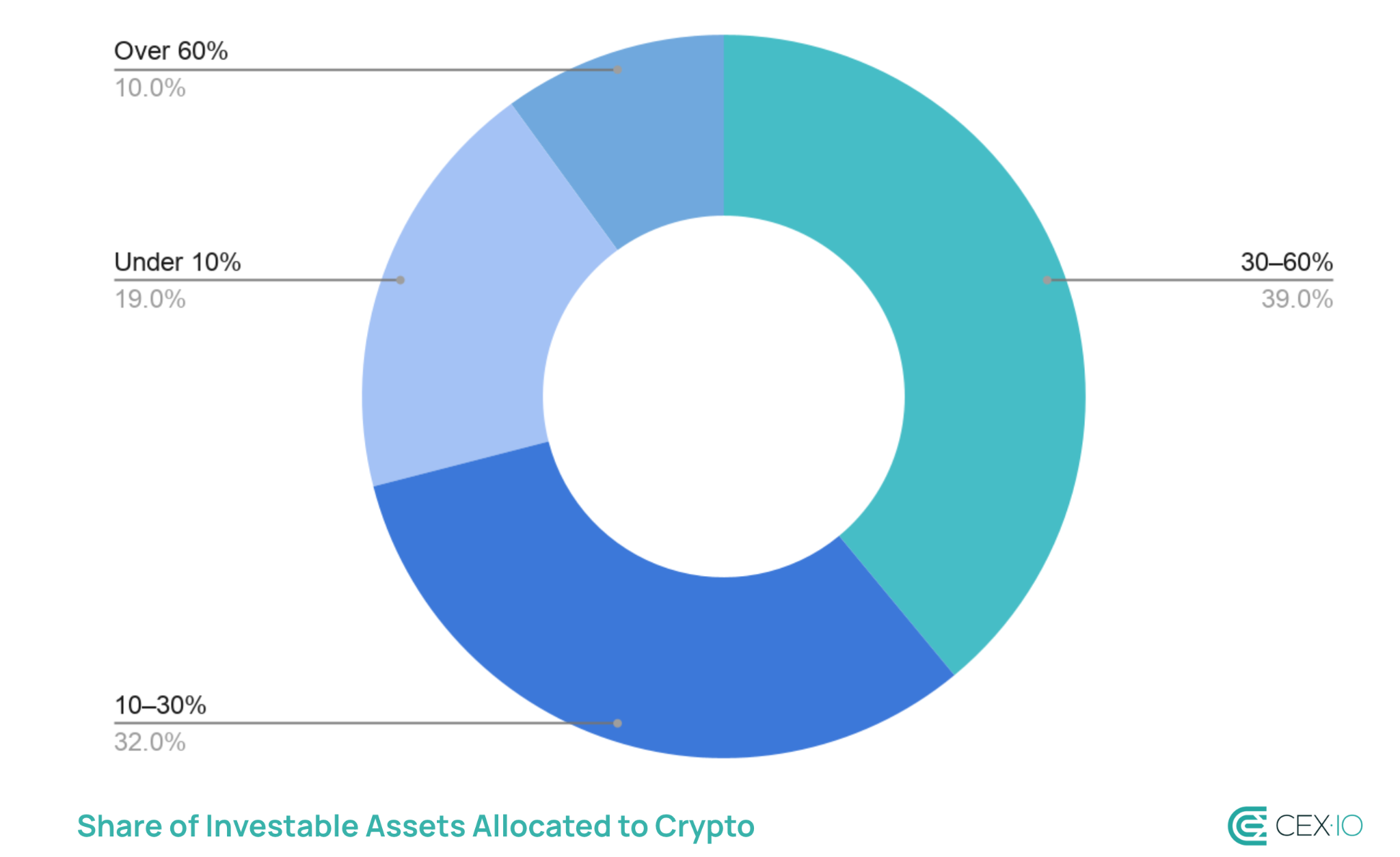
5 in 10 have a significant crypto concentration
One of the main reasons cryptocurrencies affected non-crypto spending in the first place is significant exposure to digital assets. Within an observed sample, 49% of respondents stated that they have more than 30% of their total assets investable in cryptocurrencies..
And yet income data suggests that most have absorbed the pressure without taking drastic measures: 73% say the bear market hasn’t changed the way they look for income at all.and only 9% take on additional work or a side project as a direct response to their portfolio performance.
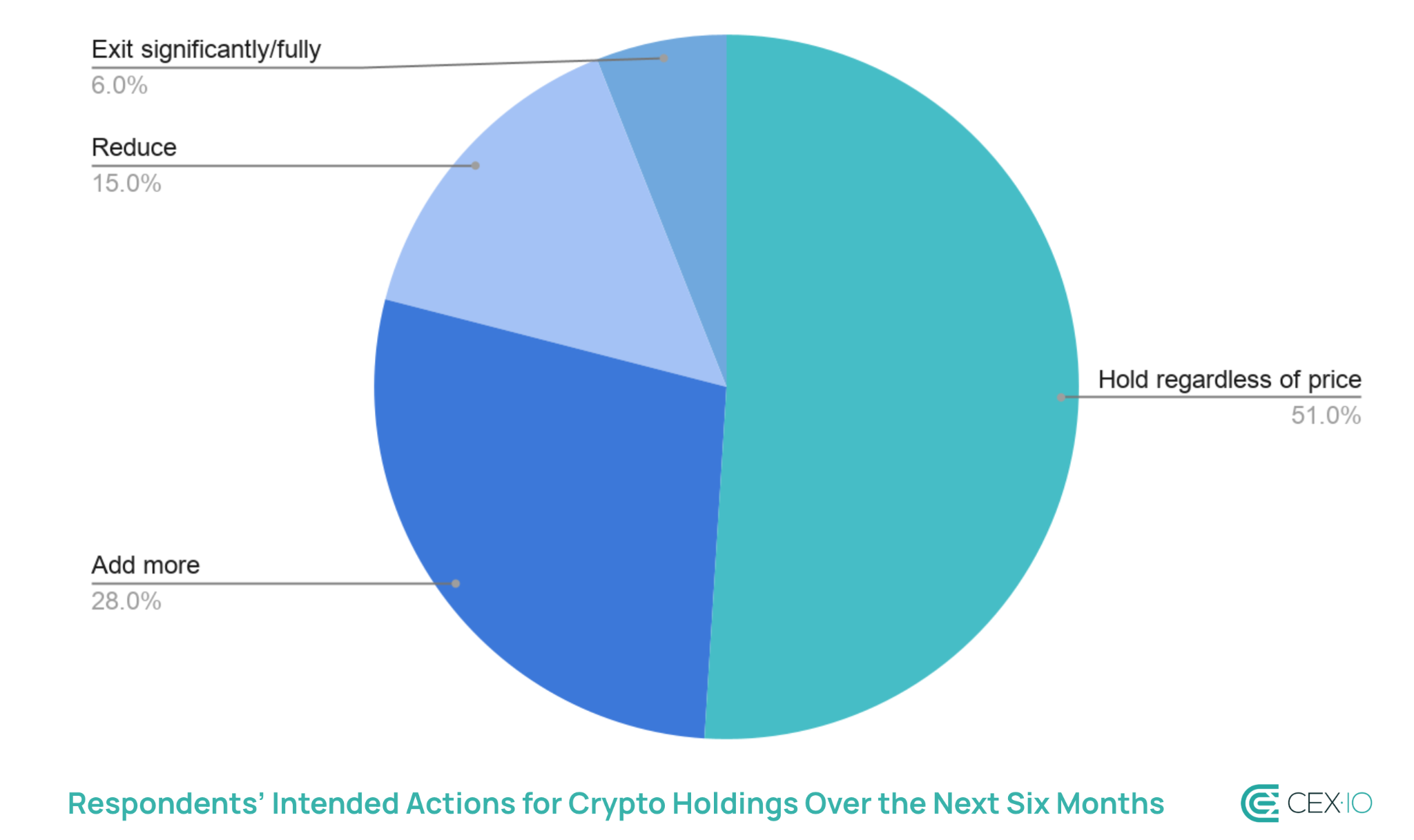
79% maintain or add
Despite certain problems, the dominant position regarding the future is optimistic. 51% plan to hold their positions regardless of short-term price action.while 28% plan to add more if prices stay at current levels or fall further.
Sentiment data backs this up. 44% say they invested about the right amount in October 2025and 24% say they wish they had invested more, not less. Only 26% feel they were overexposed.
What’s more telling is how they think about what went wrong. When asked what cryptocurrency-related decision they would change in the last 18 months, the most popular response was: 41% What they chose was that they would have set clearer rules about when to take profits and would have followed them.. 22% He said he has no regrets at all.
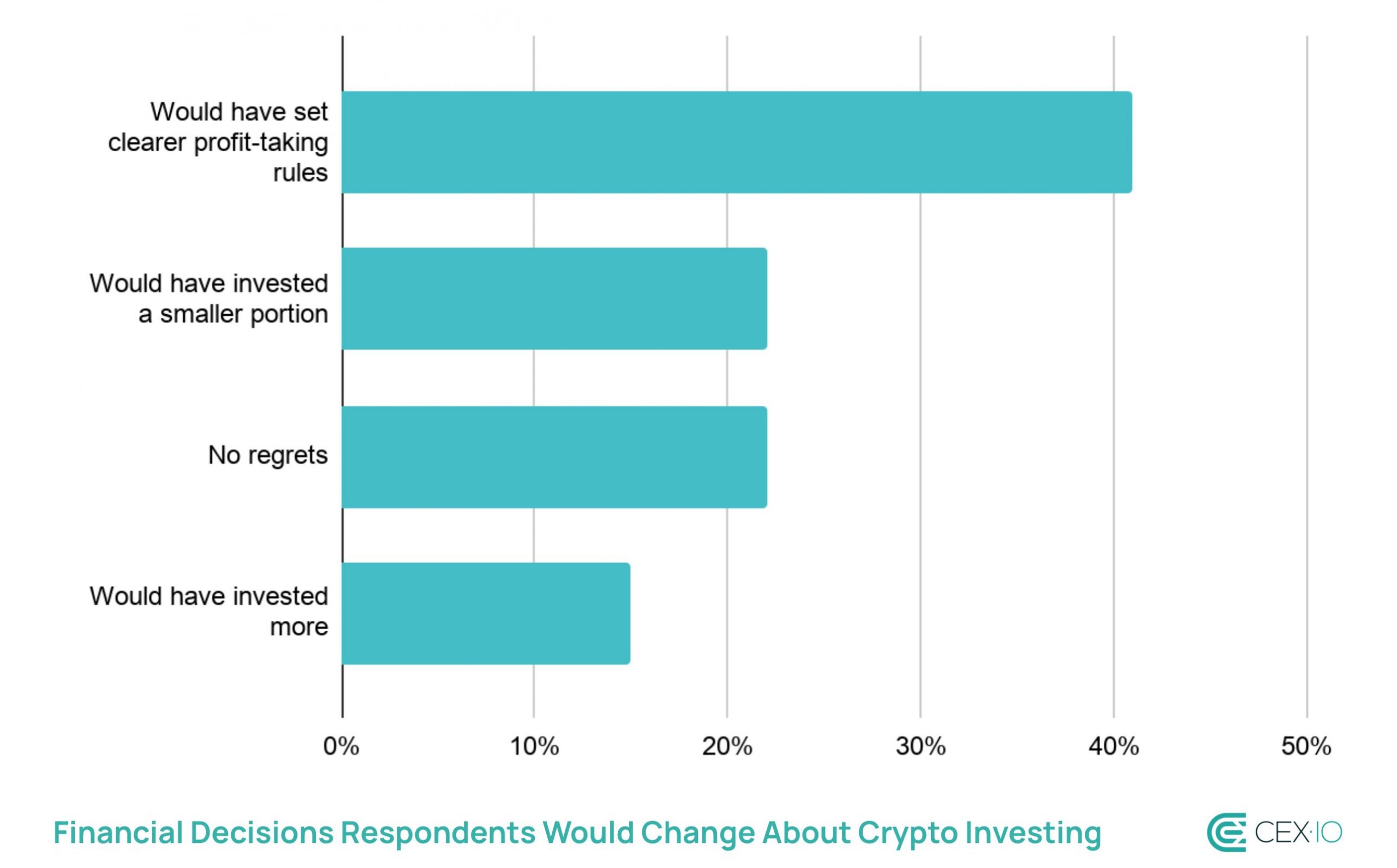
This suggests that the majority of respondents do not believe they made a positioning error but rather an execution error. They think they were in the right place but they didn’t have a plan for the exit. This also explains why 79% remain optimistic about the market. They have lost faith in how they did it and intend to do better next time.
Conclusion
The 2025-2026 bear market has not produced the type of systemic shock seen in previous cycles (at least for now), but its effects appear to be playing out more quietly at the household level. More than a third of active cryptocurrency users reduced non-cryptocurrency-related expenses or delayed purchases due to market performance, while many reported pressure on cash flow, reduced their savings or postponed important financial decisions.
What stands out, however, is that this pressure has not led to a broad capitulation. Despite high portfolio concentration and signs of stress, most respondents say they are holding or expanding positions, while many view past mistakes less as overinvestment and more as a failure to properly manage exits. That may be one of the defining differences of this crisis: the pressure has been absorbed, not abandoned.
The web content provided by CEX.IO is for educational purposes only. The information and tools provided are not and should not be construed as an offer, a solicitation of an offer or a recommendation to buy, sell or hold any digital asset or to open a particular account or engage in a specific investment strategy. Digital asset markets are very volatile and can lead to loss of funds.
The availability of products, features and services on the CEX.IO platform is subject to jurisdictional limitations. To understand what products and services are available in your region, please see our list of supported countries and territories. This page includes additional links to information about individual products and their accessibility.