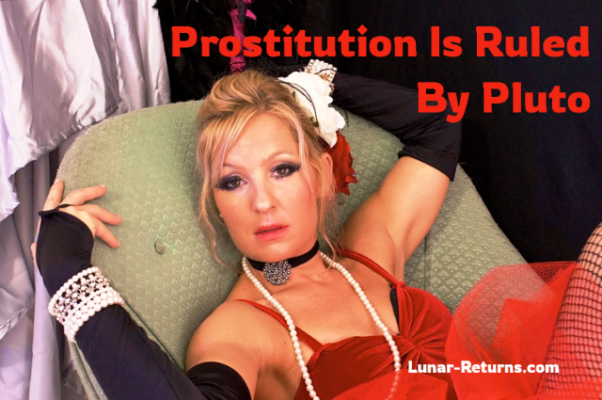
The Museum of the American Indian in Washington DC is built on a house of prostitution
Pluto rules prostitution: Mary Ann Hall (1815 – January 29, 1886) ran a successful brothel from the 1840s until about 1878 at 349 Maryland Avenue SW, Washington, DC. This House of Prostitution was about five blocks west of the United States Capitol. The politicians spent their days and nights in their House of Prostitution drinking, eating and engaging in sexual activities. This is the same location as now. Museum of the American Indian is found today.
During the 19th century, houses of prostitution were called saloon house brothels. All of his clients were upper class clients, such as politicians and wealthy individuals. Ordinary people, such as workers, office workers, and soldiers, went to houses of prostitution called Bawdy Houses. In the Drinking Parlors called Saloons around Washington DC, many men ate and watched stage shows. In the back rooms they also paid women for sexual favors.
The act of prostitution was illegal at the time, but it was not enforced very well by the police and city officials who normally frequented these prostitution houses. These politicians were also bribed by the brothel ladies. There were many attempts to regulate prostitution, but they failed due to lack of support from future powers.
Prostitution is not regulated by the federal government, but is a state rights issue. It is the exclusive right of each state to allow, prohibit or regulate sexual activity for money, such as in Nevada, where it is legal in certain counties. Prostitution was considered a vagrancy crime in the 19th century.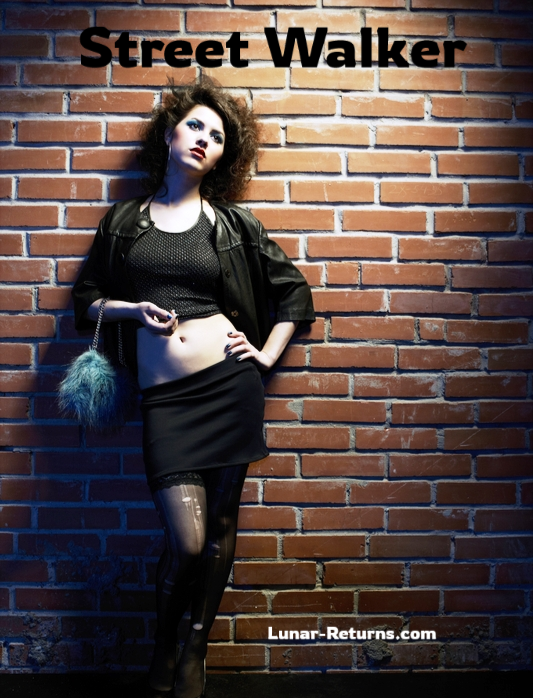
In conclusion, the only State that allows legalized Prostitution is Nevada. It is stipulated in Nevada Statutes as regulated brothels.