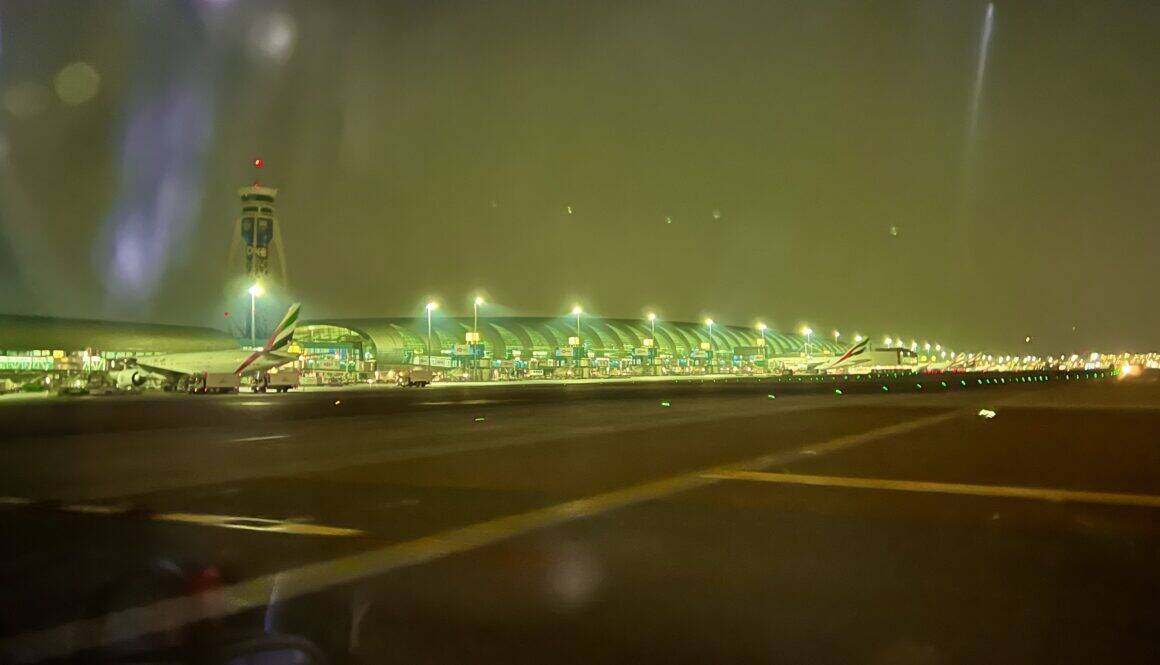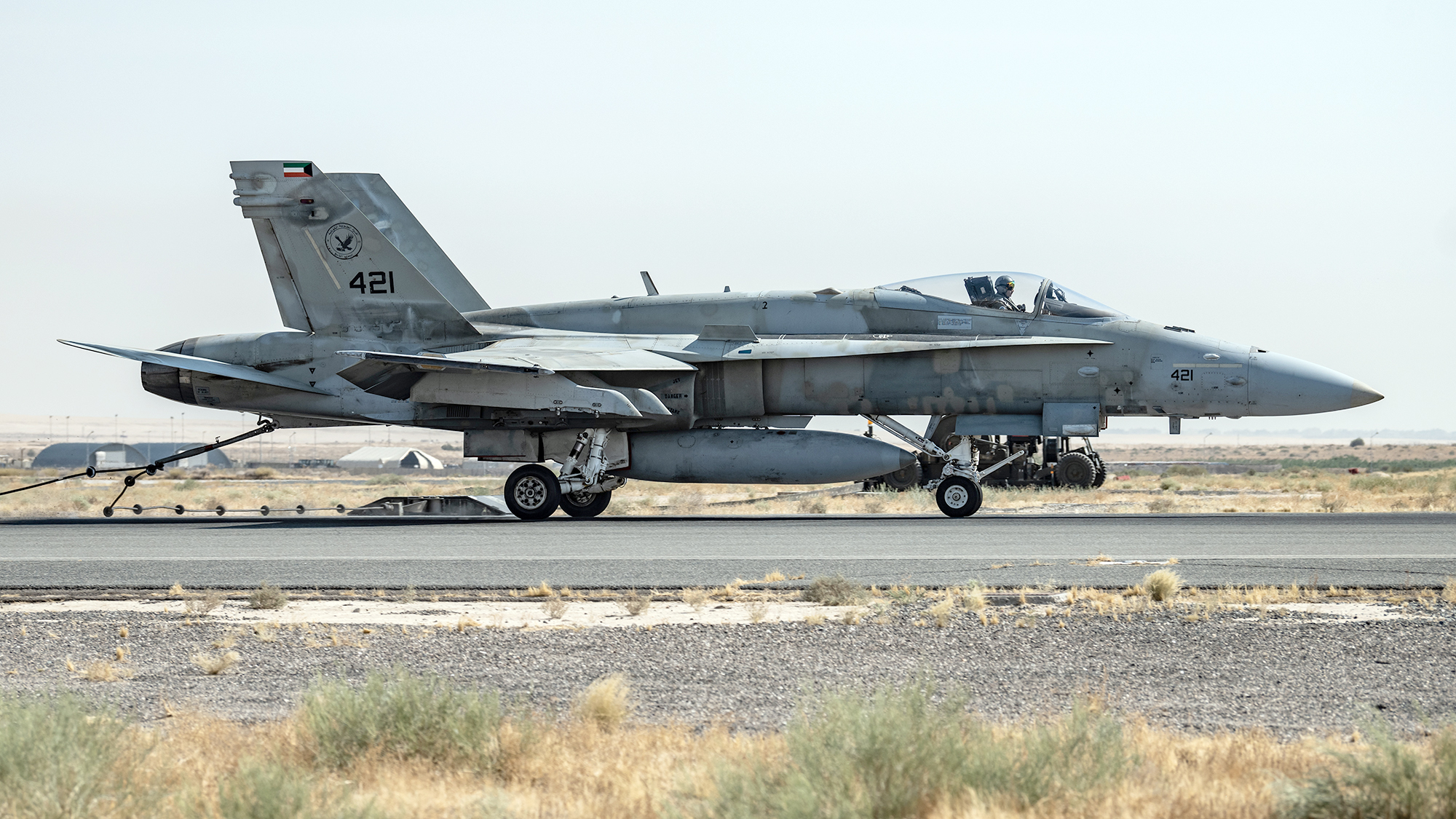
While the authenticity of the footage is not yet confirmed, the video appears to show the close-range confrontation during the March 2 incident. We analyze how such blue on blue could occur.
As previously reported, according to unofficial reports, a Kuwait Air Force F/A-18 Hornet was responsible for the downing of three US Air Force F-15E Strike Eagles in a rather unusual friendly fire incident on March 2, 2026.
It is still unclear whether the Kuwaiti pilot deliberately engaged the American plane or whether the incident was the result of a number of contributing factors or errors. However, a video circulating online appears to suggest that the Hornet pilot engaged at least one F-15E WVR (within visual range).
The authenticity of the images has not yet been confirmed but, if genuine, it would appear to paint a different scenario, in which the Hornet pilot deliberately shot down a plane which, given the very short distances involved, could probably have been identified visually.
The Kuwaiti F-18 🇰🇼 engaged the USAF F-15 🇺🇸 within visual range and shot it down.
Lack of integration could have been the reason, but knocking down a friend within visual range is simply absurd.
What was the pilot thinking? 🤯 pic.twitter.com/kLDM44J9kj
– Black__Bird (@Blaxk__Bird) March 6, 2026
Regardless, while we await an official investigation to determine the root cause of the incident, the emergence of the video provides an opportunity for further comment on the friendly fire event.
First of all, whatever the explanation, we cannot help but say that this is a strange event. When operations like this are carried out, there are control procedures, known as airspace control measures, including an Airspace Control Plan, which defines how aircraft enter and exit the “battlespace”.
It is also unusual because Allied aircraft have been flying over Kuwait for decades. It is unclear whether the aircraft involved were integrated into the Link 16 network (which seems unlikely), what IFF modes were being used, or whether the CAOC was fully aware of the assets in the air at the time in terms of terms. There should be an ATO (Air Task Order) stating who flies and does what.
It is also unclear what level of integration exists between the coalition and the air defense forces of the countries involved, including Kuwait.
In simple terms, there are many variables at play when trying to understand what may have caused this blue-on-blue incident. That said, in a particularly stressful situation, with many kamikaze drones and missiles to intercept, there is always the risk that the Kuwait Air Force Hornet pilot may have misidentified the aircraft, believing it to be hostile.
We must not forget that two Iranian Su-24s were reportedly shot down by a Qatar Emiri Air Force F-15QA, meaning there are still some IRIAF (Islamic Republic of Iran Air Force) aircraft still flying and potentially threatening the Gulf States.
Most likely, the American pilots were in a relatively relaxed posture, returning to base after a mission and recovering from the stress of departure. As a result, they were probably less focused on detecting potential threats in the sky, especially since they were already operating within what they believed to be friendly airspace.
From the interceptor’s point of view, there are established criteria for identification and engagement. Once a contact is identified, the Rules of Engagement determine whether they can be involved.
It goes without saying that before attacking a target, you must first identify it properly. For this reason, the possibility remains that the Kuwaiti pilot made an identification error, a significant, even notable one, especially considering the distance at which the confrontation appears to have occurred, at least according to the video that appeared on social media today.
During the first days of a conflict, the level of coordination is always lower. In reality, coalitions do not coordinate with all parties operating more or less autonomously (this is something we observed during the Libyan Air War in 2011, for example). The problem probably lies somewhere in the information sharing criteria, the detection-identification-compromise chain, or the RoE itself. The error must have occurred somewhere in that chain.
However, in light of the video, whether authentic or not, we cannot even completely rule out the possibility that this was a deliberate act by a dishonest or distracted pilot. The investigation will finally find out.