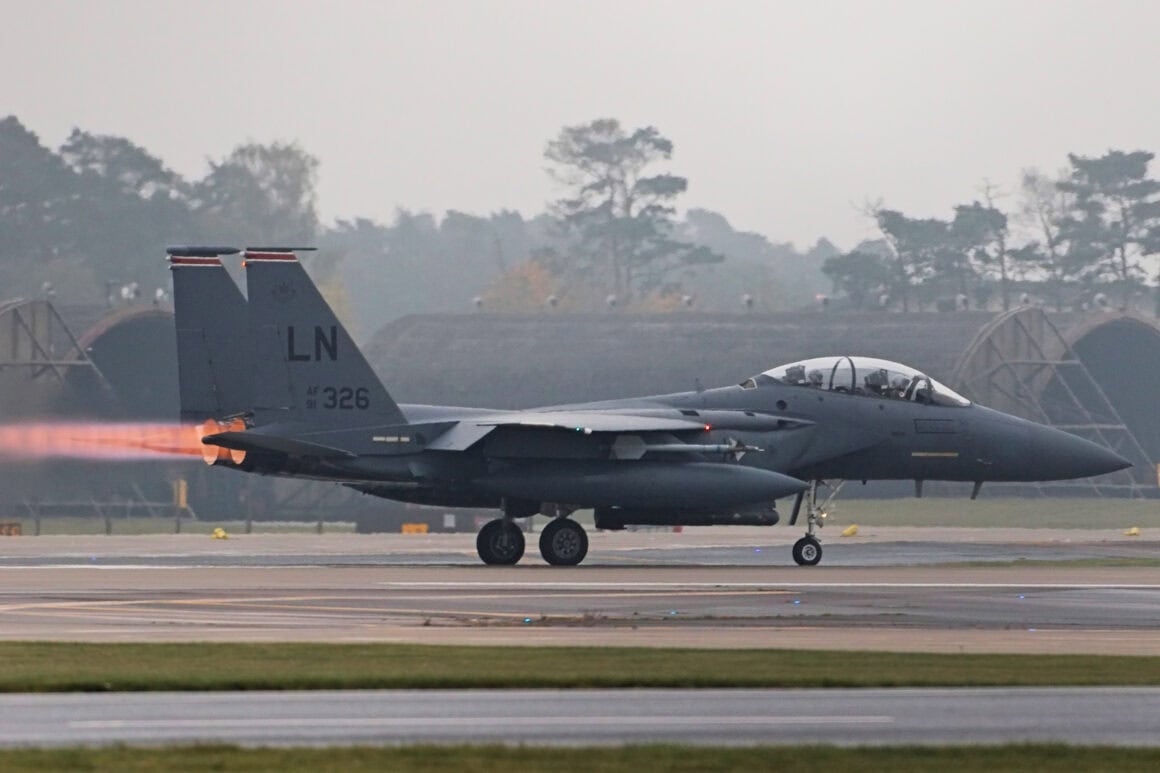
Shot down over Iran, an F-15E airman survived for days until a critical signal helped US forces locate and rescue him.
When an American plane falls into hostile territory, everything that follows is built around one objective.
Find them.
Bring them home.
Every aviator who boards a fighter plane knows this truth. It’s built into the training, the equipment and the calm understanding that if the worst happens, they won’t be left behind.
When a US Air Force F-15E Strike Eagle crashed in Iran on Good Friday, that system faced a real test. Within hours, U.S. forces began a large-scale combat search and rescue (CSAR) mission. It soon became one of the most intense CSAR operations in recent years.
The planes broke into the disputed airspace. The helicopters moved low and fast. Tankers, fighters and surveillance means played their role.
But before all that could work, rescuers needed one thing.
A sign.
The first step in any rescue
That signal came from a device most aircrew hope they never have to use.
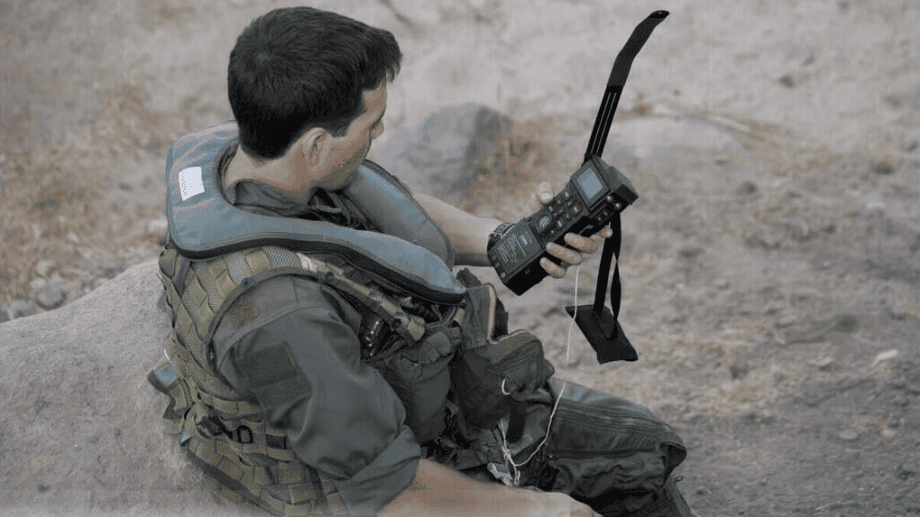
The Combat Survivor Evader Locator, or CSEL, is a survival radio carried as standard equipment by U.S. Air Force and Navy aircrew. Made by Boeing, it is the Pentagon’s main tool for finding isolated personnel.
The unit is small and rugged and is integrated into an aircrew member’s survival vest. It is made to continue functioning after violent ejection forces and to be easy to reach even under extreme stress.
It is one of the few pieces of equipment that pilots or weapons systems officers carry, hoping to never need it.
But when it does, it becomes everything.
The CSEL allows a downed airman to transmit encrypted GPS coordinates and status updates via satellite to rescue forces.
According to US Navy descriptions, it “provides secure, over-the-horizon, near-real-time, two-way data communications,” along with precise, military-grade GPS positioning.
Those transmissions are designed to be brief, encrypted and difficult to detect, reducing the risk of interception by enemy forces.
In simple terms, it turns a single individual on land into a connected part of a much larger rescue network.
A sign in the mountains
After the F-15E was shot down on April 3, both crew members were ejected into Iranian territory, prompting an immediate rescue effort.
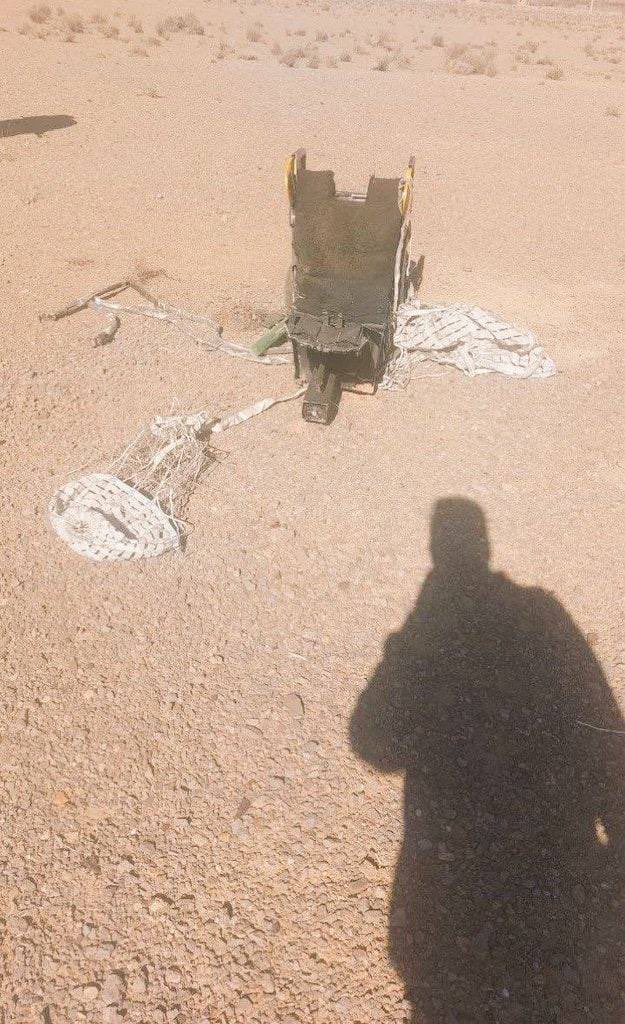
The pilot was located and recovered relatively quickly.
The weapons systems officer (WSO) no.
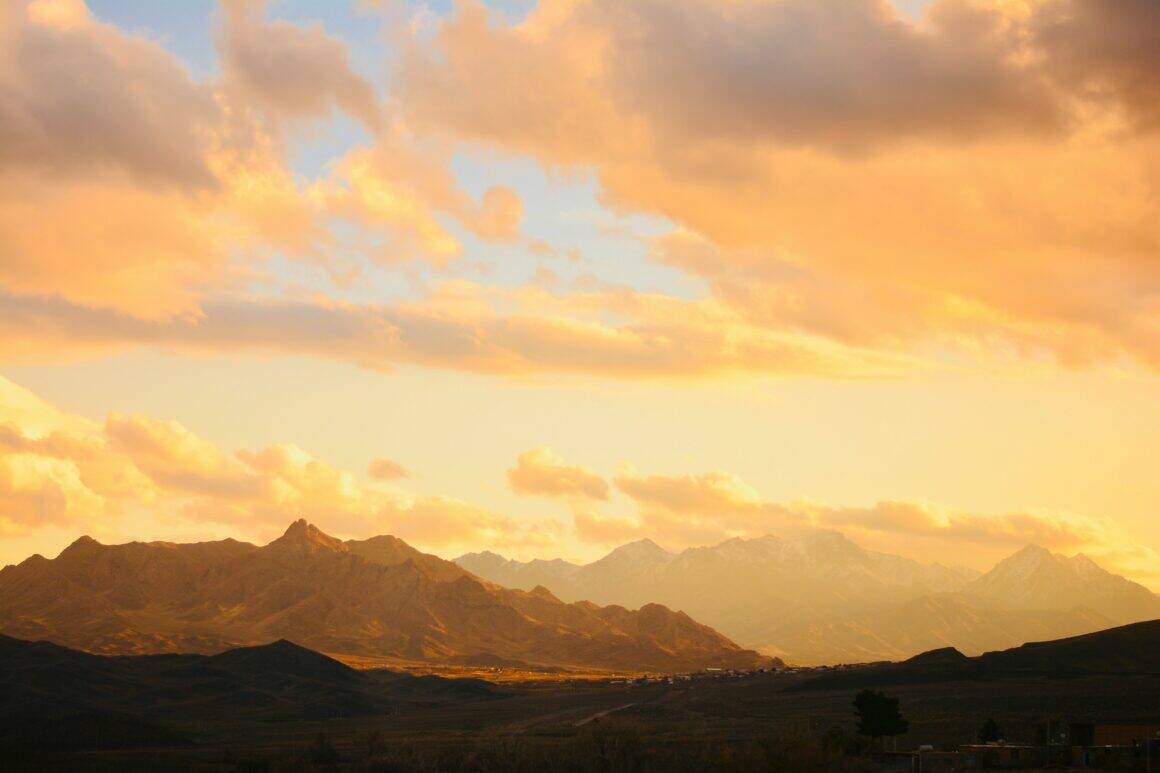
Injured and alone, he left the crash site and headed into the mountains, following his survival training to improve his chances of escape and rescue.
For almost two days he remained on the ground while Iranian forces searched the area.
During that time, officials say he used the CSEL intermittently. transmit position and status without revealing yourself through voice communications.
President Donald Trump later referenced the device during a White House briefing, describing it as a “very sophisticated pager-type device” that “worked very well…surprisingly…saved his life.”
Those signals gave American forces something to work with.
From that moment the rescue operation began.
The system that comes to life
Combat search and rescue is one of the most complex missions in military aviation.
It is a coordinated system of aircraft and crew built to operate under pressure, often in the most dangerous conditions imaginable.
In this case, that system included helicopters flying low through the disputed airspace, supported by refueling aircraft, fighters and surveillance platforms.
An A-10 Thunderbolt II providing surveillance during the operation was hit by enemy fire, forcing the pilot to eject after reaching friendly territory.
Rescue helicopters were also damaged as they moved towards the area to recover personnel.
The operation was big and risky. But none of that would have mattered without knowing where to go. That’s where the CSEL proved its worth.
It was the first link in the chain.
The sign that brought him home
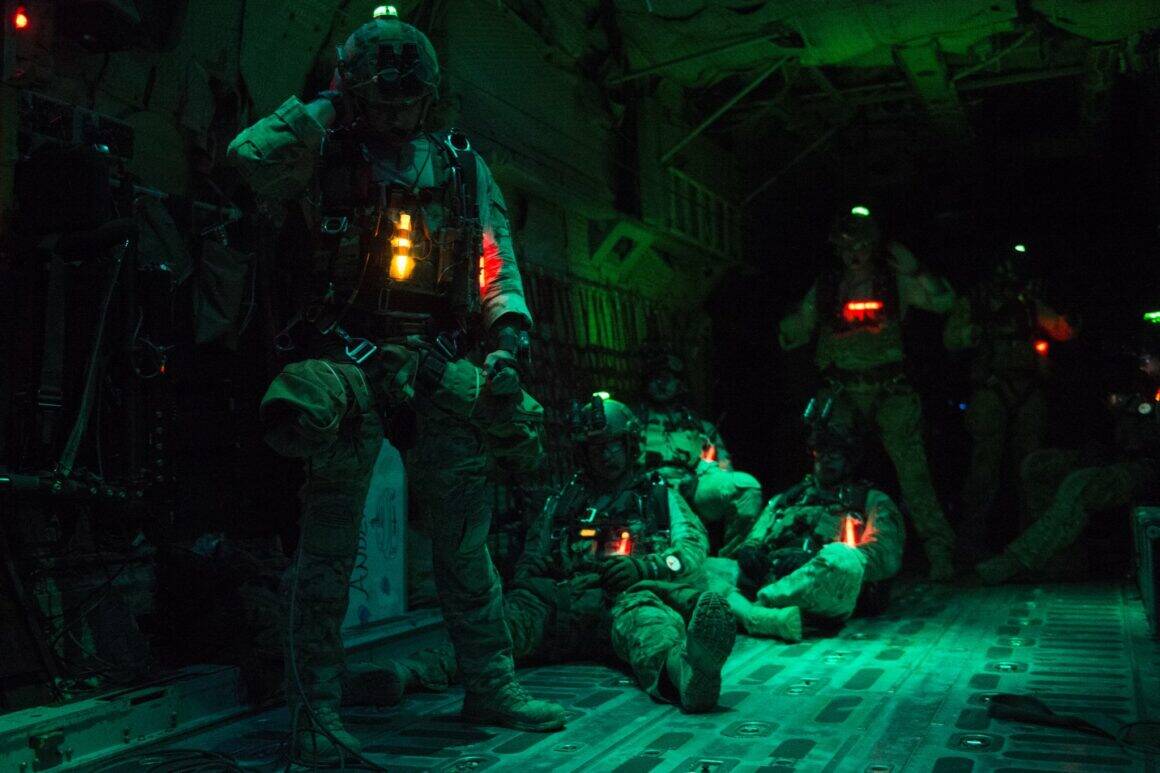
The rescue involved what officials described as one of the most complex CSAR missions in recent memory, with hundreds of troops and a large air package operating deep in hostile territory.
According inform of The New York TimesThe operation included hundreds of special operations forces, including members of the U.S. Naval Special Warfare Development Group (SEAL Team Six), supported by dozens of fighter and attack aircraft, helicopters, and a full suite of intelligence capabilities spanning cyber and space.
senior military officers described He called it “one of the most challenging and complex in the history of US Special Operations,” citing the mountainous terrain, the airman’s injuries and Iranian forces rapidly converging on the area.
On the ground, the OSM evaded capture for more than 24 hours. Although he suffered injuries during the ejection, he managed to climb a 7,000-foot ridge to safety. US aircraft attacked Iranian convoys advancing towards the area, using precision fire to keep enemy forces at bay while rescue teams approached.
As U.S. Special Forces approached the scene, they fired to suppress the forces’ advance, creating enough space to complete the extraction without it turning into a larger gunfight.
Even then, the mission was not over.
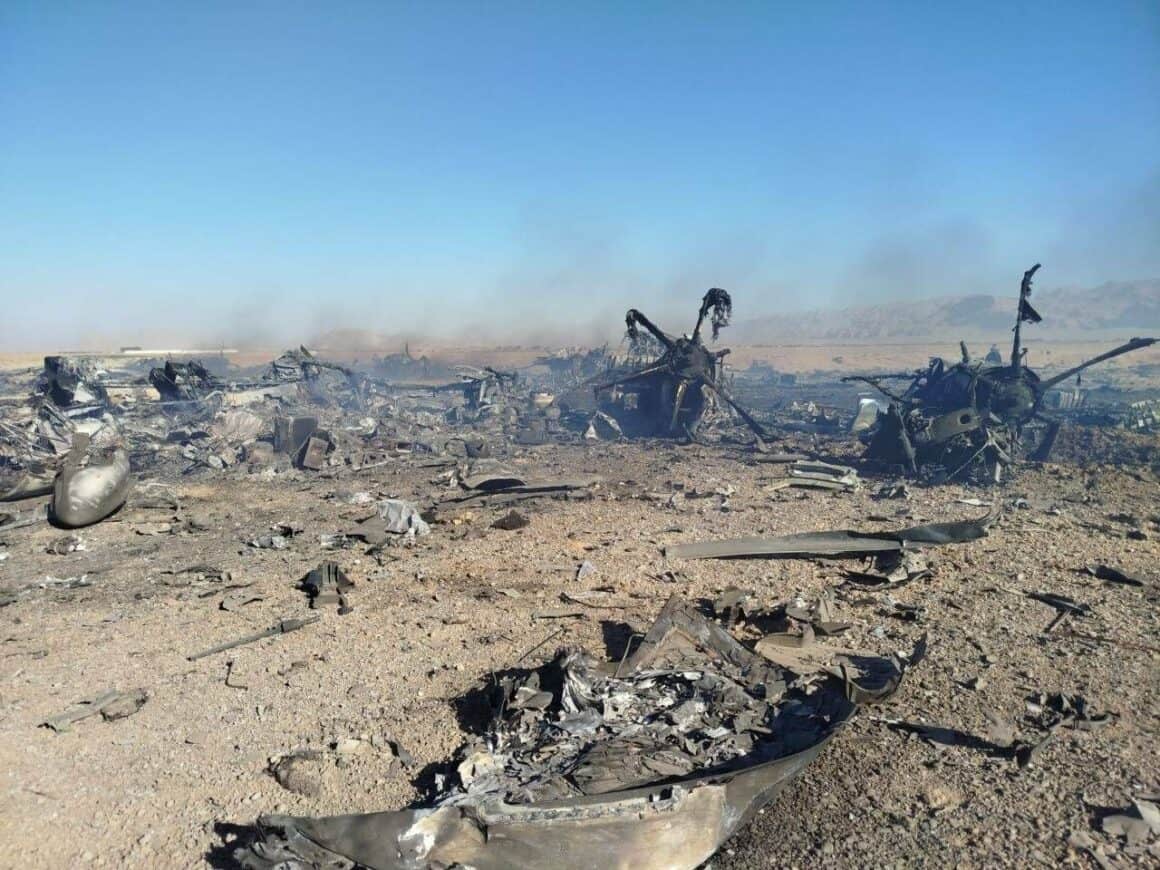
At a makeshift landing site, two MC-130Js tasked with exfiltrating personnel were stranded on soft ground due to mechanical problems. With time and risk increasing, commanders decided to bring in additional aircraft to complete the evacuation and destroyed the disabled planes on the ground to prevent them from falling into enemy hands.
The planes were damaged. Others were deliberately missed. The equipment was abandoned or destroyed. The level of risk was extreme.
But none of that would have mattered if rescuers didn’t know where to go.
The sign that made the difference
It was then that the CSEL showed how valuable it really was.
He didn’t fly the helicopters. It did not stop the enemy forces. He did not carry out the rescue himself.
What he did was simple, but just as important.
He linked a single downed airman hidden in the mountains to the entire force of the American military. It was linked to a huge network of planes already on the move, crews ready to go, and a system designed to get it home.
And in the end, that bond made the difference between a recovery and a very different outcome. It was a beautiful display of America’s unbreakable spirit: We do not leave our fighters behind.
As news broke of the successful rescue in the early hours before the sun rose on Easter Sunday, I couldn’t help but smile at the moment. Shot down on Friday. Found and brought home on Sunday.
For many, this week is about loss on Friday and hope regained on Sunday.
This mission could easily have ended in tragedy, but it didn’t.
Call it training. Call it technology. Call it coordination at the highest level.
Or call it something that, just for a moment, felt a little like a miracle.