
Apple closed 2025 in style with the grand presentation of its new M5 chip. In their official press, the headline reads: “Apple launches M5, the next big leap in AI performance for Apple silicon”, and boy did they unleash a beast of a chip. The 14-inch MacBook Pro, Apple Vision Pro, and iPad Pro were all on the receiving end of the M5 chip, which empowered each device to excel in its own way. Today’s focus is on the latest iPad Pro, in its eighth generation and the most attractive version to date.
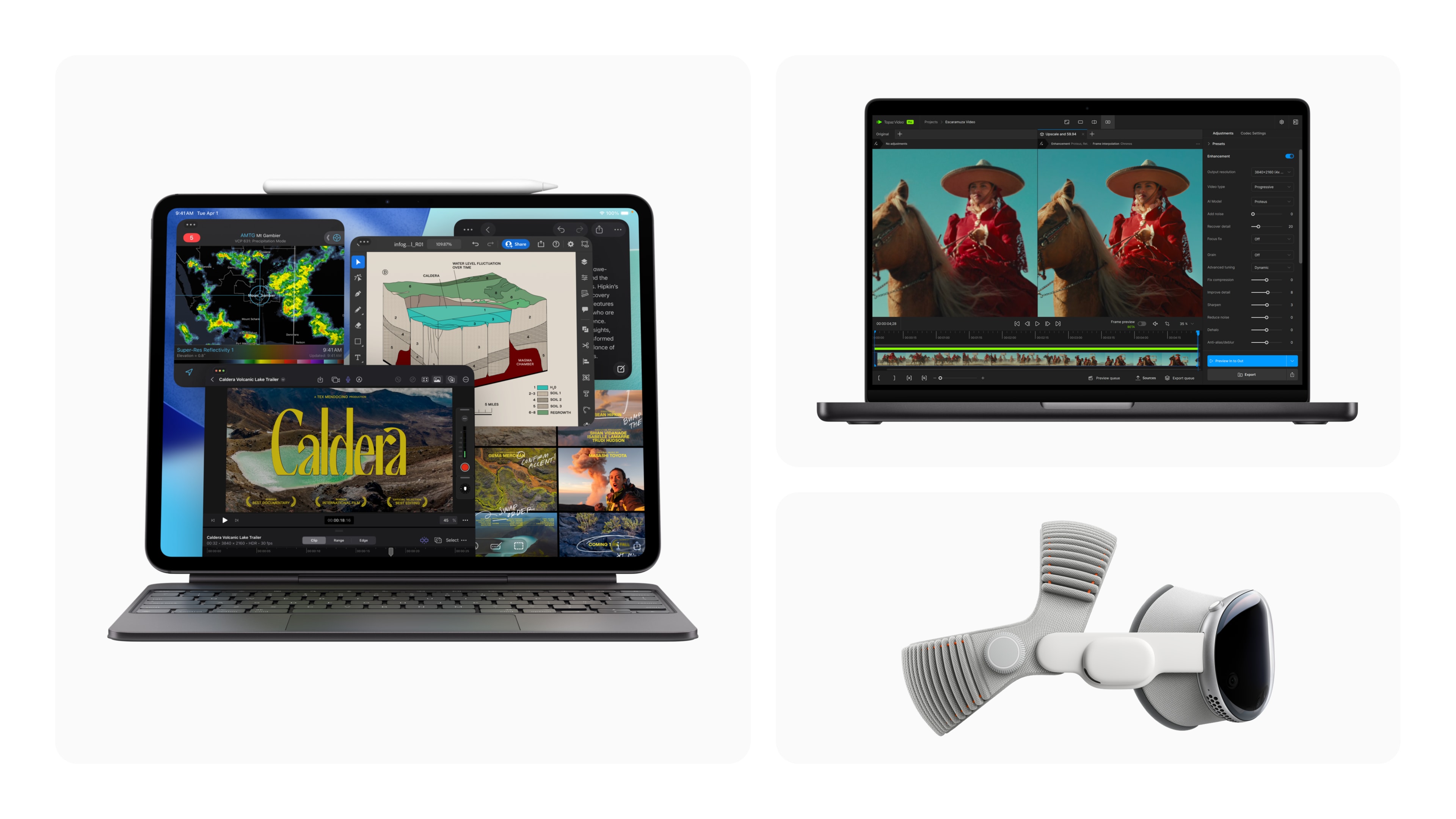 14-inch MacBook Pro, Apple Vision Pro and iPad Pro with M5
So how can a tech giant like Apple stay ahead in the tablet space? Iterating and innovating. The task at hand was much more complex, as it involved understanding the iPad’s target audience even more intimately than ever before and then delivering more value to its users. That’s when Apple introduced the first-generation iPad Pro in 2015, which promised greater computing capabilities for professionals and creatives. Suddenly, a line was drawn within the same product family, much like the regular iPhone, Pro, and Pro Max. The first-generation iPad Pro was powered by the A9X chip, featured a 12.9-inch display (at the time the largest on any iPad), and supported Apple Pencil.
Over the years, innovations such as True Tone display, ProMotion and Liquid Retina were introduced, while chipsets, RAM, internal storage, battery capacity and camera were improved in subsequent generations. 2021 marked a big change for the Cupertino giant when Apple introduced the M1 chip for the fifth-generation iPad Pro, which exponentially increased its processing capabilities. While within reach of laptop territory, the 5th Gen iPad Pro was never there until this year’s ultraportable beast, the 8th Gen iPad Pro.
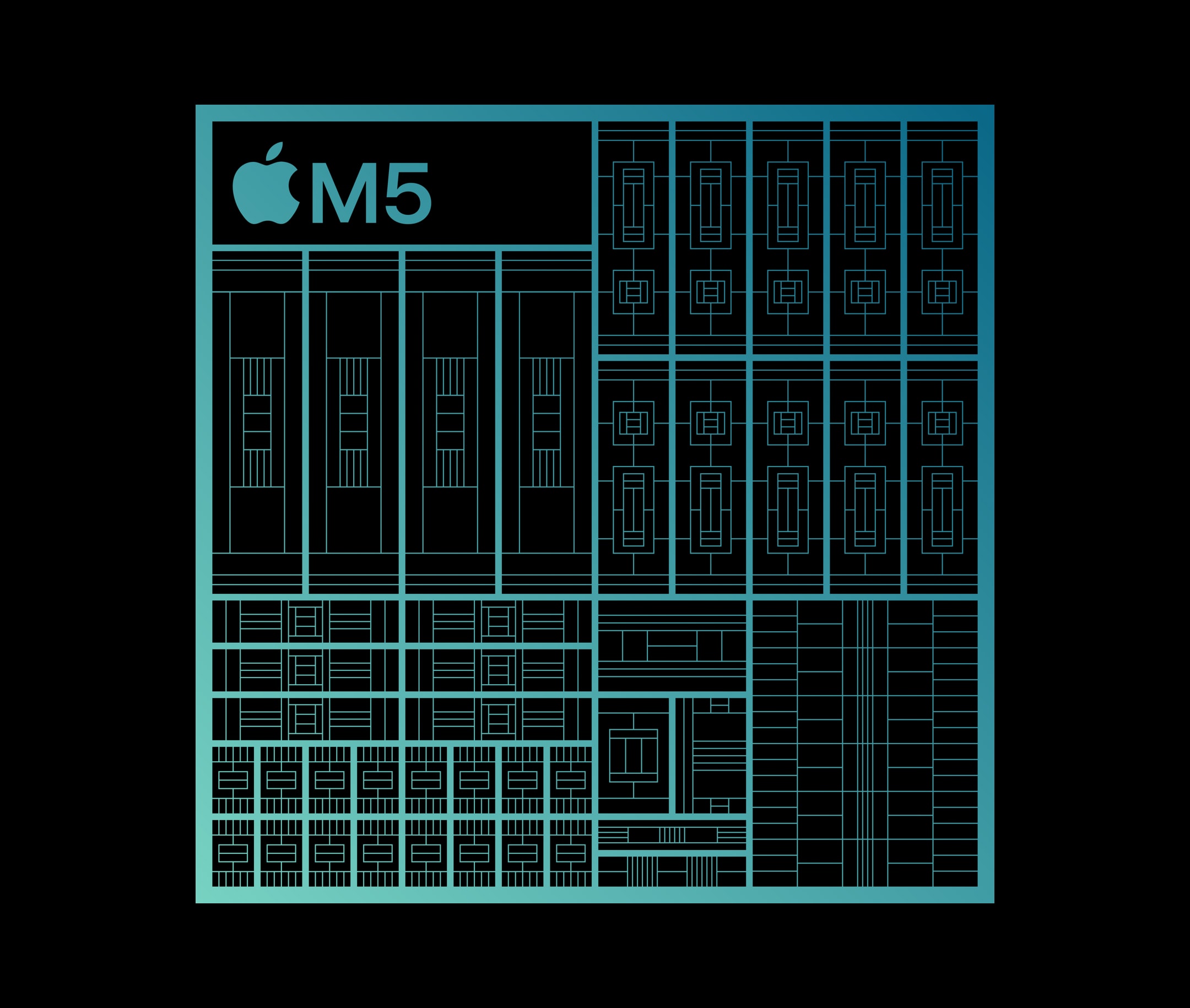 As mentioned above, the M5 is at the center of any direction its user pushes towards the 8th generation iPad Pro, and it sure can withstand a strong push. The official journalist best describes the M5 chip as a “10-core GPU [which] features a new architecture with a neural accelerator on each core, resulting in a massive increase in GPU performance for AI workloads.” Official processing figures note that the 8th generation iPad Pro delivers up to 3.5x the AI performance of the iPad Pro with M4 and up to 5.6x faster than the iPad Pro with M1. So how does this translate to real-world applications? Tasks in Final Cut Pro, DaVinci Resolve, Adobe Illustrator, Procreate and more are handled with exceptional performance and efficiency.
Parallel to the M5 is iPadOS 26, considered the most capable partner to take the iPad experience to the next level. Seamless multitasking is a major focus of the newly designed Liquid Glass interface. I emphasize fluidity because, for the first time, the operating system features “window apps” that let you open multiple, resizable, mobile app windows on your screen simultaneously. Yes, that means streaming a YouTube video while working in another app. There are a few ways to do this: by long-pressing an app and selecting “New Window,” or by dragging an app icon from the Dock to the main window. Whenever you’re working in a given app, swiping down displays the menu bar and red, yellow, and green window buttons. Other benefits of iPadOS 26 include an optimized Files app and greater integration with Apple Intelligence.
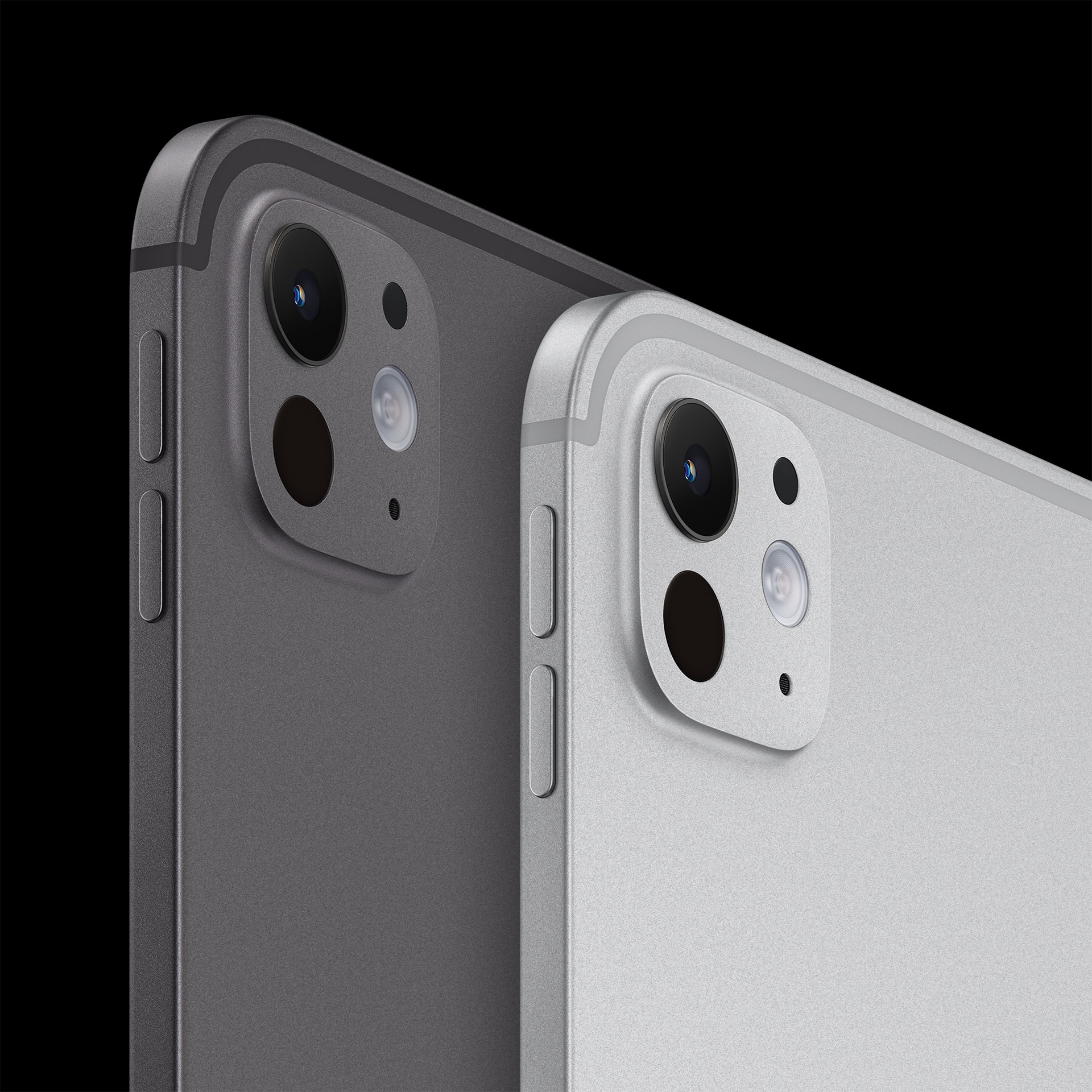 Now let’s move on to the specifications; The 8th generation iPad Pro is available with an 11-inch or 13-inch display (5.3mm and 5.1mm thick, respectively) with 256GB, 512GB, 1TB, and 2TB storage configurations in silver or space black finishes. The 256GB and 512GB models are powered by an M5 with a 9-core CPU, 10-core GPU, and 12GB of RAM, while the 1TB and 2TB models are powered by an M5 with a 10-core CPU, 10-core GPU, and 16GB of RAM.
Featuring an Ultra Retina A nano-textured display glass option is available for those working with high-end color-managed workflows or in difficult lighting conditions. Battery capacity has been improved to approximately 10 hours of use and offers fast charging (50% in 30 minutes with an optional high-voltage USB-C power adapter, such as Apple’s new 40W Dynamic Power Adapter with 60W max).
Connectivity has also been significantly improved with the Apple-designed N1 wireless networking chip, which supports Wi-Fi 7, Bluetooth 6, and Thread. N1 offers better performance when connected to 5 GHz networks and improves the overall performance and reliability of features like Personal Hotspot and AirDrop. The C1X modem comes to iPad Pro cellular models, delivering up to 50 percent faster cellular data performance than its predecessor with even greater efficiency, allowing users to do more on the go. Beyond that, the 8th generation iPad Pro supports the Apple Pencil Pro, Apple Pencil USB-C, and the newly designed Magic Keyboard.
At the end of the day, the key takeaway from the 8th generation iPad Pro is to demonstrate what’s possible when ambition has no limits. For creatives and professionals who push the limits of a high-performance ultraportable device on a daily basis, the benefits of purchasing the 8th generation iPad Pro are well justified. For the average consumer wondering why there is a Pro version of the iPad, the answer reflects why one prefers a Mercedes-AMG over a standard sedan, or Balenciaga haute couture over ready-to-wear. The difference is not a necessity, but a matter of ability, intention and pleasure of performance taken to its natural extreme. With the M5 at its core and iPadOS 26 allowing the hardware to stretch, the 8th generation iPad Pro becomes a true game-changer in personal computing. It still doesn’t replace a laptop, but rather redefines what a laptop can be, and does so with extreme confidence. All that said, the 8th generation iPad Pro is a major game-changer that quietly redraws the boundaries of the category itself.
Once you’re done with this story, click here to catch up on our December/January 2026 issue.