Delta’s 787 order adds momentum to Boeing’s recent triumphs while reshaping Delta’s long-haul fleet for the next decade.
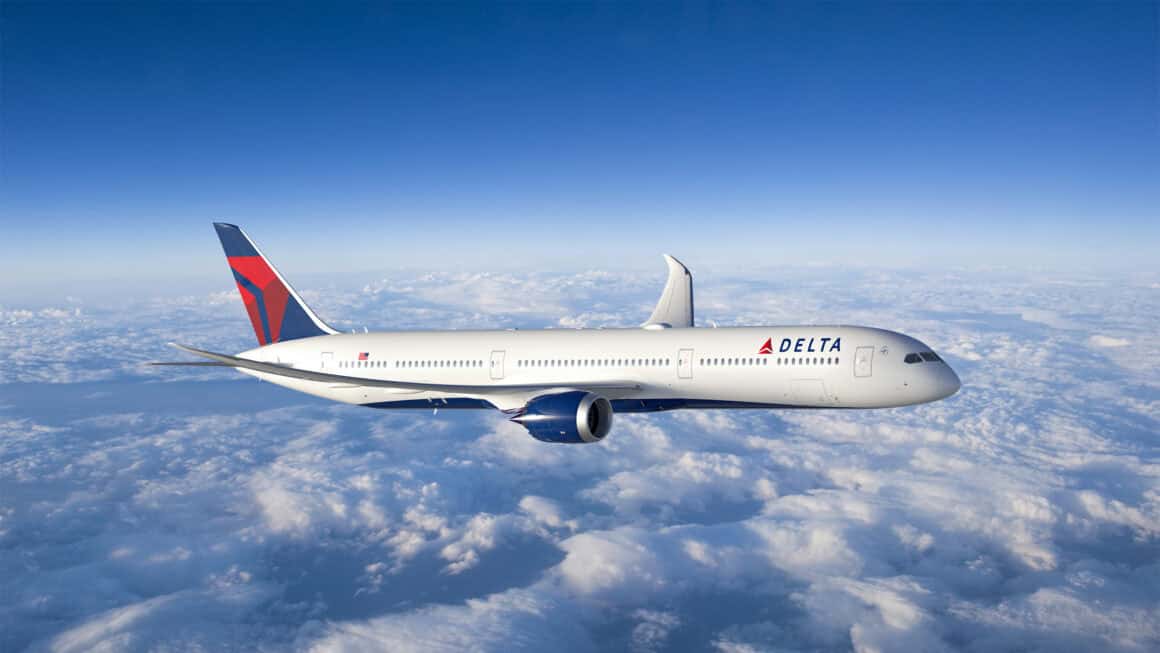
For the first time, Delta Air Lines adds the Boeing 787 Dreamliner to its fleet.
The Atlanta-based airline announced on Tuesday, January 13, 2026, which will order 30 Boeing 787-10 aircraft, with options for up to 30 additional units. Deliveries are planned to begin in 2031.
This represents a significant change for an airline that has leaned heavily toward Airbus for widebody growth in recent years. The 787-10 will be a new fleet type for Delta and will be used primarily on transatlantic and South American routes where capacity, efficiency and premium demand are most important.
The decision reflects more long-term planning than a short-term impulse. Delta made no widebody deliveries for the next decade, and the 787 order provides clarity and continuity where there was a gap before.
Why the Dreamliner fits into Delta’s network
Delta is opting for Boeing’s larger Dreamliner variant and the reasoning is simple. The 787-10 offers approximately 25 percent greater fuel efficiency per seat compared to the older widebody aircraft it will replace, while offering more capacity and increased cargo capacity. It also fits neatly between Delta’s existing fleet of Airbus A350s and the aging Boeing 767s that still anchor many long-haul routes.
Delta is building the fleet for the future.
Ed Bastian | CEO of Delta
CEO Ed Bastian called the plane ideal for the airline’s international flights, particularly across the Atlantic and to South America.
“Delta is building the fleet for the future, improving the customer experience, driving operational improvements and providing steady replacements for older, less efficient aircraft over the next decade,” Bastian said. “Most importantly, these aircraft will be operated by the industry’s best aviation professionals, delivering Delta’s welcoming, elevated and attentive service to travelers around the world.”
The 787-10 does not have the same range or size as the A350, which helps keep operating costs under control while delivering significant capacity growth.
Inside the cabin, Delta plans to lean heavily on premium seating. Expect Delta One Suites, which already account for nearly half of all Delta One seats across the entire widebody fleet, along with expanded Delta Premium Select and Delta Comfort offerings. The Dreamliner’s quieter cabin, larger windows, improved pressurization and higher cruising altitudes align with Delta’s push toward a more refined long-haul experience.
A strategic return to Boeing wide-body aircraft
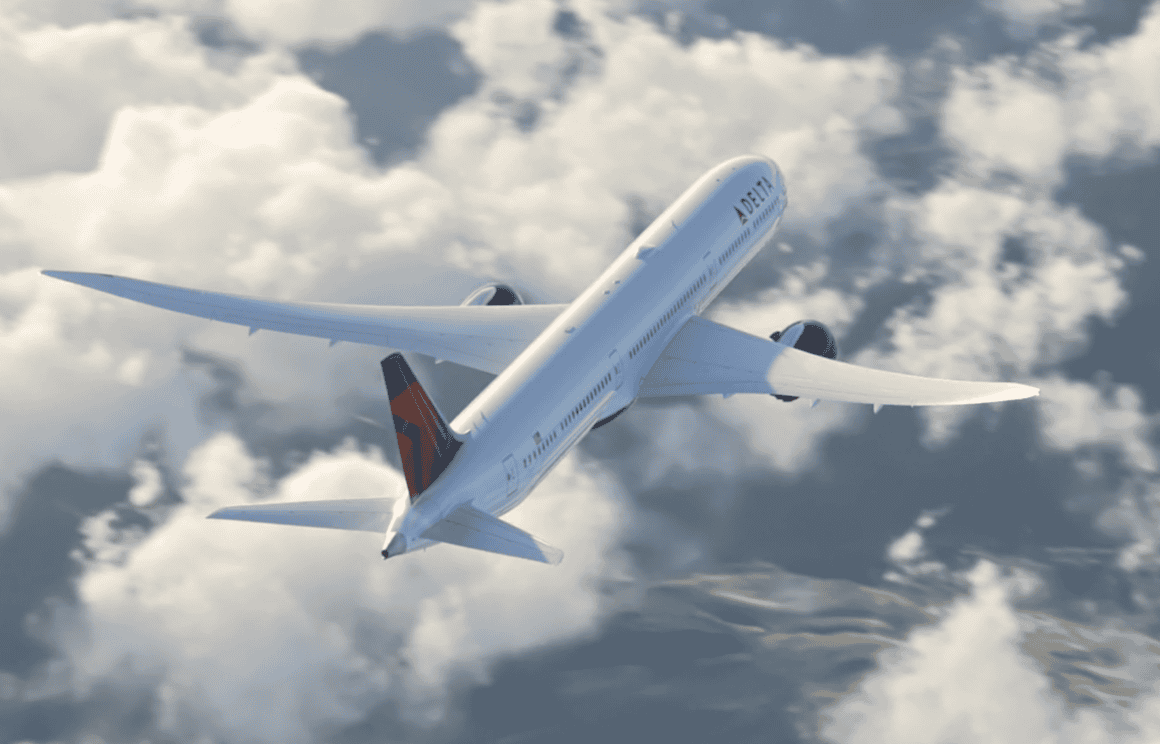
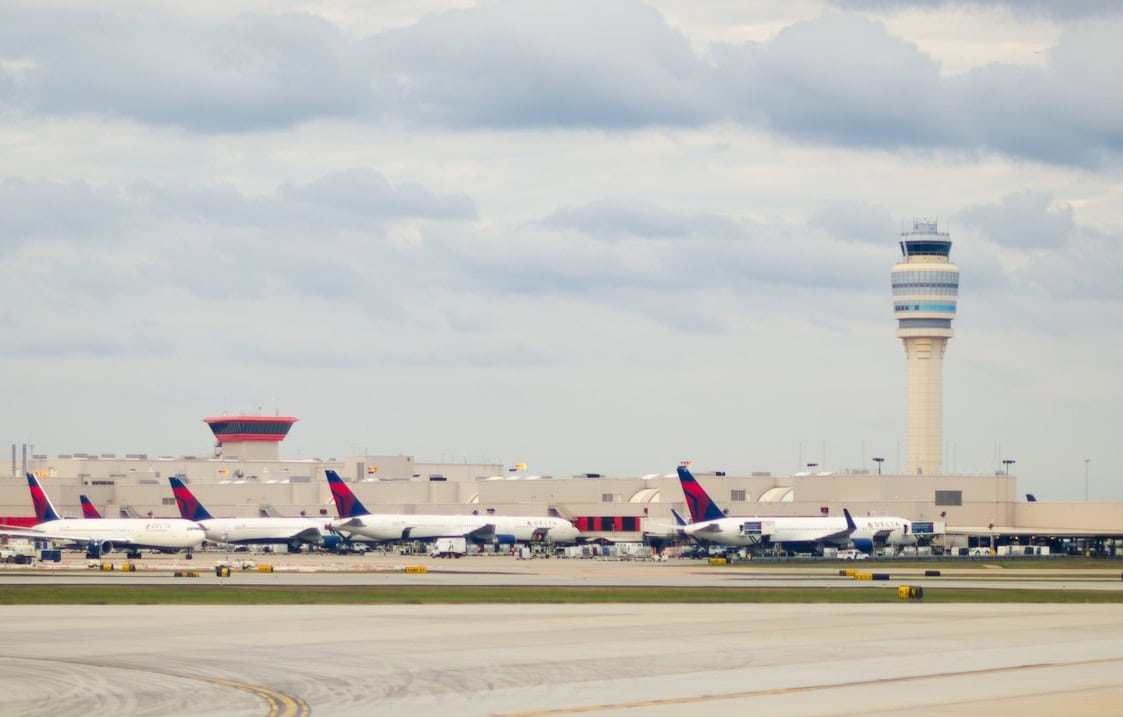
This order also signals a significant recalibration in Delta’s fleet strategy. While the airline operates Airbus A350s and has more on order, its only widebody Boeings currently are approximately 60 767s, some of which date back to the early 1980s. About 20 of those aircraft are expected to be retired around 2030.
By adding the 787-10, Delta avoids reliance on a single manufacturer for widebody growth and gains flexibility as global demand continues to evolve. The measure complements that of Delta existing order for 100 Boeing 737-10 MAX aircraft, which are expected to enter service once certification is completed. Speaking of which, certification of the 737 MAX 10 is one step closer to being a reality this week as testing moves into the second phase. While there is still no green light in sight, there is still progress, and any progress is good.
Delta’s Dreamliners will be powered by GE Aerospace GEnx engines, continuing a partnership that spans more than six decades. Delta also signed a long-term services agreement with GE to support the engines throughout their life cycle.
Delta’s financial strength and a timely boost for Boeing
The Delta 787 order comes at a time of high travel demand and strong earnings. The airline closed 2025 with solid momentum, reporting $63.4 billion in operating income and $5.8 billion in operating income for the full year. Management expects margin expansion and profit growth to continue through 2026, giving Delta the financial confidence to commit to long-term fleet investments without straining its capital plans.
The Dreamliner order also continues Boeing’s momentum. The announcement adds to a series of positive developments in recent weeks and comes at a time when the company is working to rebuild confidence, stabilize production and overcome a turbulent period.
Delta now has orders for 232 narrowbody and 54 widebody planes, but the Dreamliner deal is important for reasons beyond counting. It marks a clear return to Boeing’s widebody aircraft and positions the 787-10 as a key player in Delta’s next chapter of long-haul flying.