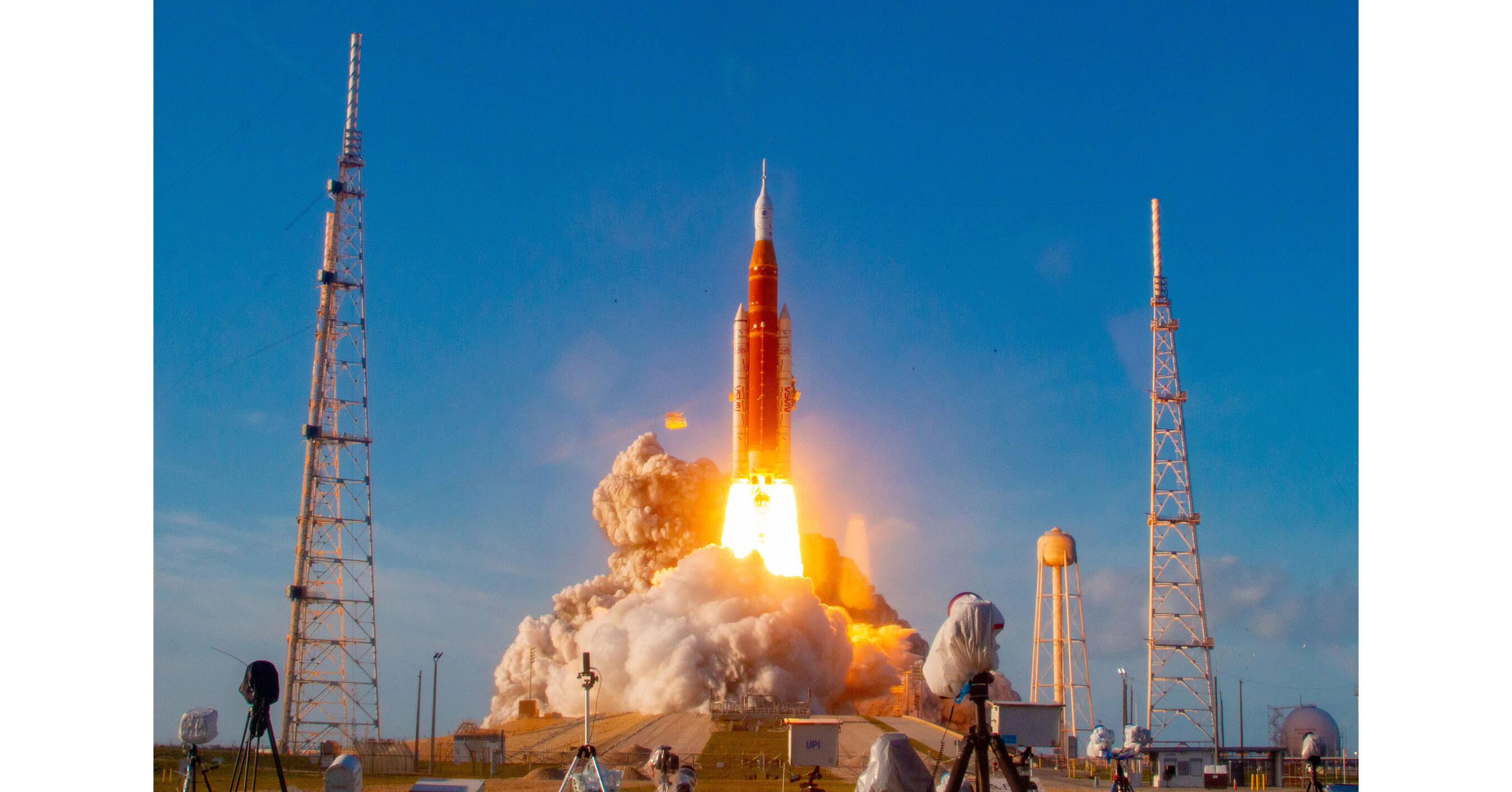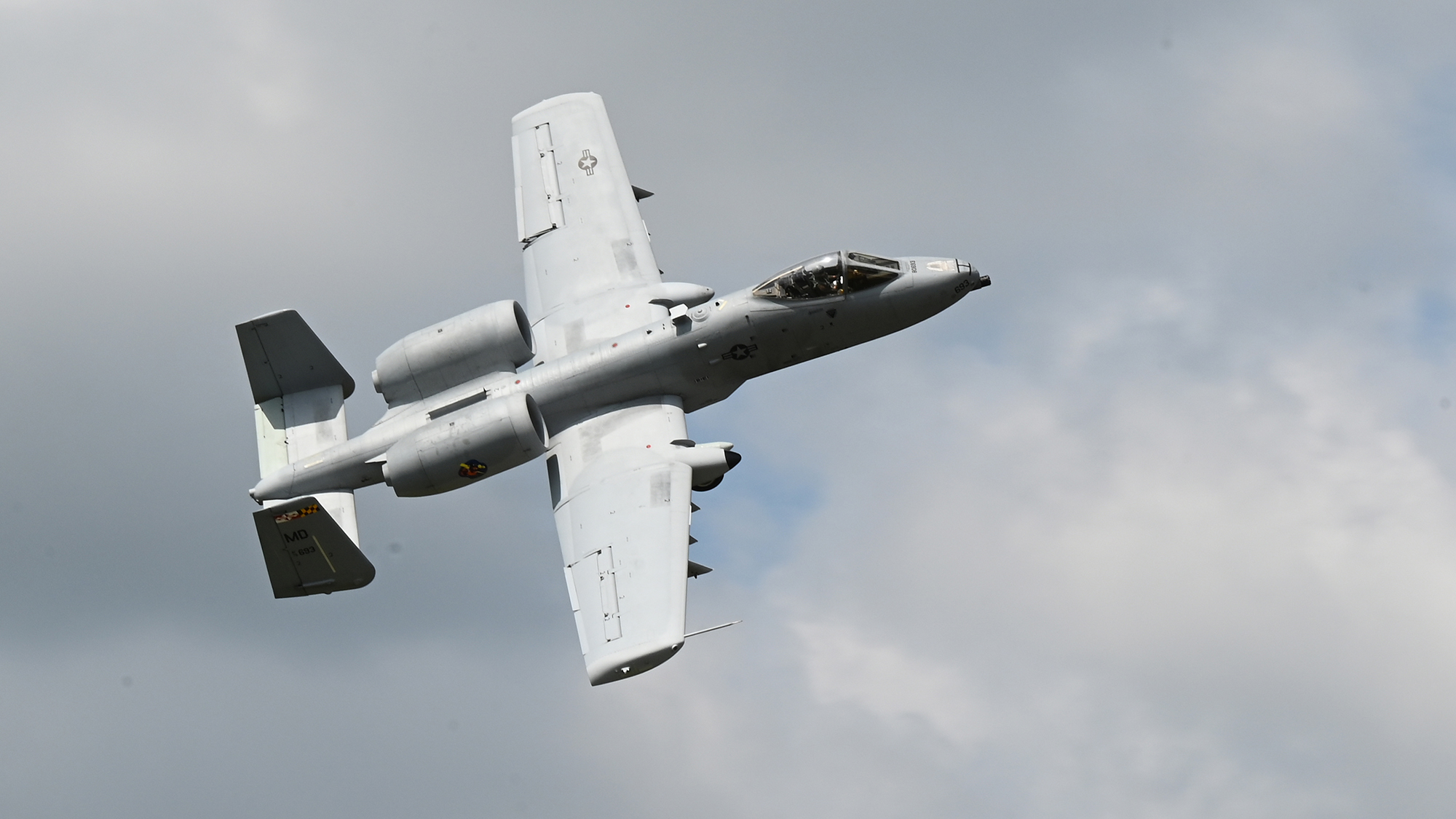
Around the same time an F-15E Strike Eagle fell over Iran, the US Air Force lost an A-10 Thunderbolt II attack aircraft near the Strait of Hormuz. US officials told the NYT that the plane’s pilot was rescued safely.
While search and rescue efforts are underway for at least one of the crew members of an apparently Lakenheath-based F-15E Strike Eagle that went down in unclear circumstances over Iran on Friday, April 3, 2026, anonymous US officials They have now revealed that an A-10 Thunderbolt II, commonly known as a Warthog, was also lost near the Strait of Hormuz around the same time. The pilot of the A-10 single-seater was reportedly successfully rescued.
BREAKING: A second Air Force fighter jet, an A-10 Warthog, crashed in the Persian Gulf region on Friday and the only pilot was rescued safely. This happened around the same time an F-15E was shot down over Iran. By @EricSchmittNYT and @tylerpager. https://t.co/q369HMga3s pic.twitter.com/teOAek3M61
—Christiaan Triebert (@trbrtc) April 3, 2026
Given the stated location of the incident, it is most likely that the A-10 was participating in regular patrols targeting the Iranian fleet of small boats and drones that have essentially caused the Strait of Hormuz to be closed to almost all maritime traffic. We have reported on these missions previously, highlighting the usefulness of the aircraft and its armament in this role furthest from possible threats to air defense. Released images of the A-10s show crew-applied artwork and nicknames decorating the sides of the planes.
Few other details are currently known about the A-10 crash, including whether it was due to mechanical failure or hostile action.
The United States is in the process of moving additional A-10s to the region via RAF Lakenheath in the United Kingdom. Interestingly, while these aircraft were in transit, the F-22 Raptors that had been deployed to Lakenheath, presumably in anticipation of operations in the Middle East, actually departed back to the United States.
Haaaaaaaaaaaaaaaaaaaaaaaaaaaaaaaaaaaaaaaaaaaaaaaawgs.
That’s why I run to Lakenheath again and again, there are some days that are complete gold and today was no exception. What a day! pic.twitter.com/LmcqHUdaZb
– Alejandro Trébol (@Cloverkid92) April 2, 2026
In addition to the F-15E and A-10, there have also been unverified reports and images of a possible hit against a Black Hawk/Pave Hawk helicopter involved in combat search and rescue (CSAR) operations.
#RIP I have now confirmed that the Blackhawk WAS hit by Iran. The crew is located and safe, a US official tells me. https://t.co/HHOotvPlyI
—Carla Babb (@CarlaBNewsmax) April 3, 2026
Elsewhere in the region, a US Air Force F-16 Fighting Falcon was observed on flight tracking websites squawking the ‘general emergency’ code 7700 over Saudi Arabia, near the Iraq border, around 1500 UTC, and the same was also observed from a KC-135 Stratotanker over Israel around 1840 UTC.
#USAF United States Air Force – General Emergency 🚨
General Dynamics F-16CJ Fighting Falcon 1x#AE161D 91-0361 – WAR FALCON 01
A single US Air Force F-16 is squawking 7700 “General Emergency” along the Iraq-Saudi border.
The queue number displayed in @vueloradar24… pic.twitter.com/WJm18o5iBN
– Armchair Admiral 🇬🇧 (@ArmchairAdml) April 3, 2026
The reason for these emergency squeaks is unknown and could represent anything from a minor mechanical problem or low fuel situation to more serious problems. It should be noted that seeing them outside of an ongoing conflict is not particularly rare, but we have noticed it due to the other incidents that have taken place today.
The intense operational tempo of Operation Epic Fury will surely push crews and their aircraft close to their limits, with aircraft flying many more flight hours than they would in training, so an increased number of mechanical problems and emergency squawks is not unexpected.